Strategy, business operations, and go-to-market roles at technology, media, and consumer companies, starting in 2027. I'm detail-oriented by habit. I check the source, test the fix, and write it down for the next person. Based in Washington, D.C., and open to relocation, including New York, Chicago, and beyond.
Wherever I've landed, I've done the same three things. I listen to the people closest to a problem, translate what I learn, and build something they can use.
ListenInterviews, classrooms, coaching sessions, and feedback from the people who live with the problem.
TranslateAcross languages, cultures, and fields, from research into plain language.
BuildTraining, programs, tools, and data people can actually rely on, checked down to the details.
Right now I'm a technology policy intern at the American Enterprise Institute. I took the team's AI research tool from prototype to launch, and I support the center's research and its overall operations, from podcast and social content to events. I graduate from Carnegie Mellon in December 2026.
The best fixes start with the people closest to the problem
In my first semester at Carnegie Mellon, I joined the Collester Family Community Engagement Fellowship, which got me off campus and learning by working alongside people in Pittsburgh. That shaped the rest of my time there, from a youth nonprofit to a local newsroom.
On campus, I wrote for The Tartan and its arts magazine, Pillbox, and helped lead the Model UN team.
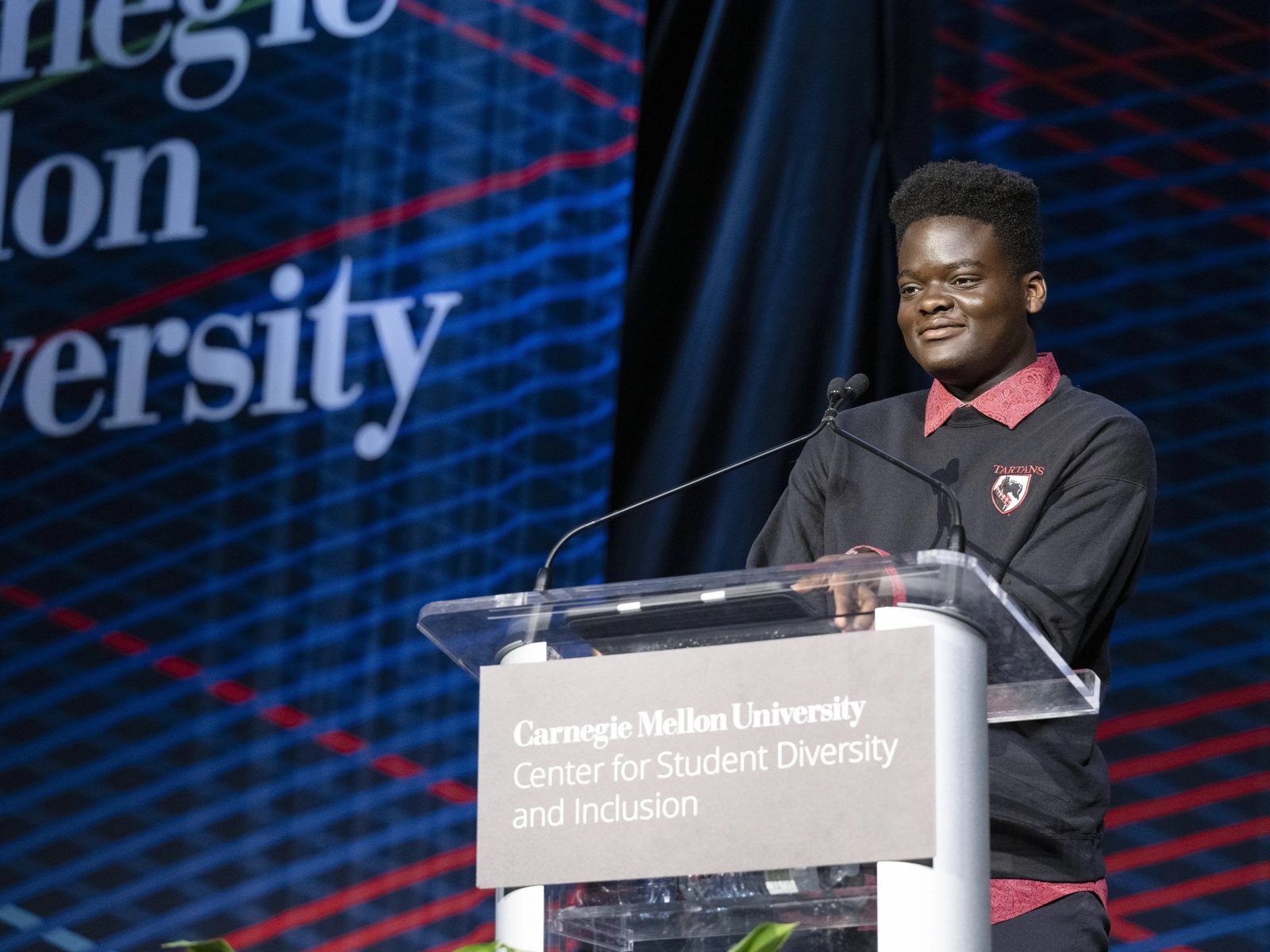
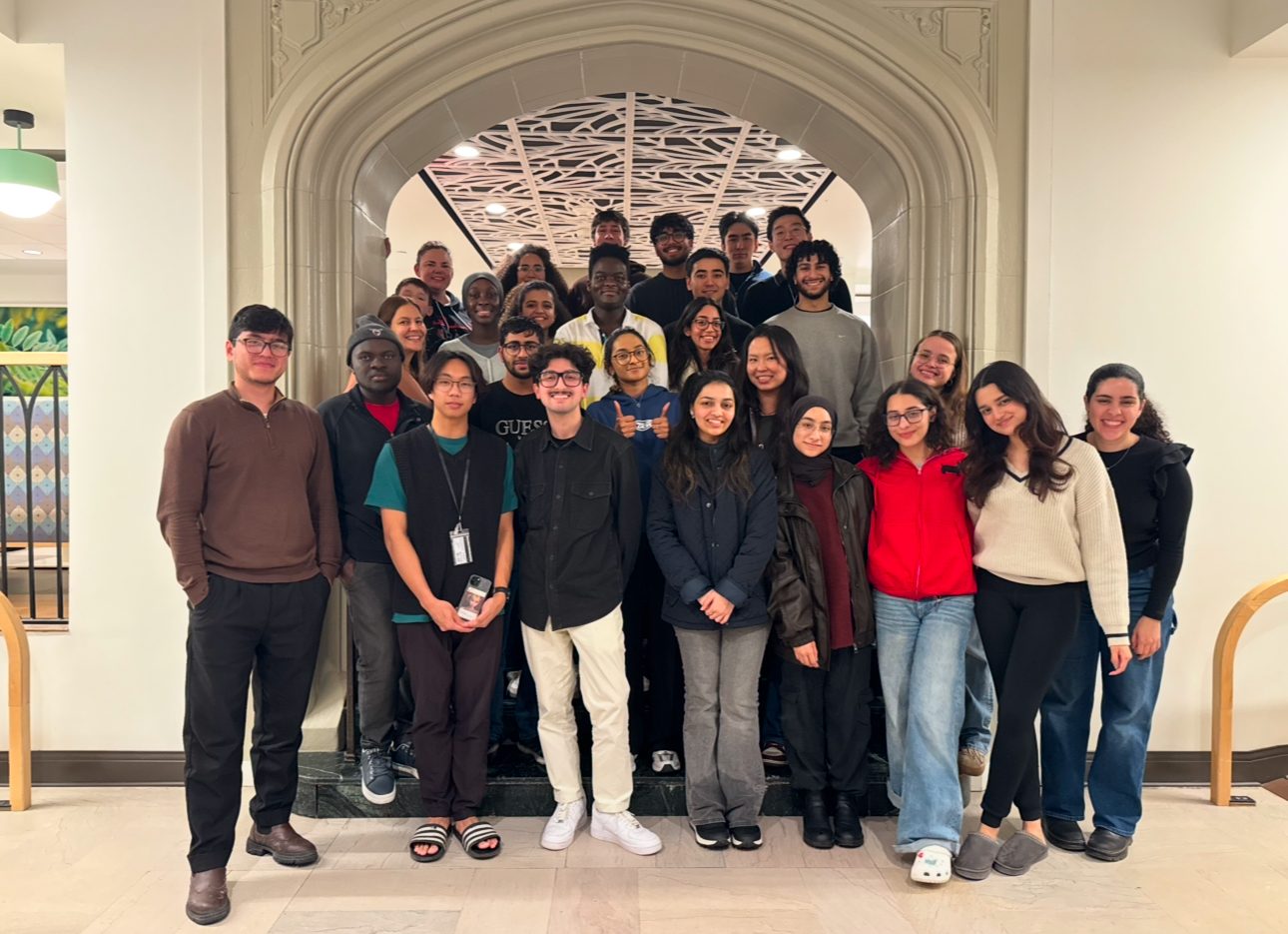
Speaking to new students about belonging, August 2024
Community Engagement Fellowship and independent study · Youth Enrichment Services · 2023–2026
Mentor training, seen through a young person's eyes
For my fellowship capstone, I set out to narrow the gap between the college students who mentor young people and the young people they mentor. I interviewed mentors and staff at a youth nonprofit, then turned what I learned into a research-based training curriculum that uses VR and 360° video to put mentors in a young person's seat.
77sources reviewed to ground the design
10training modules, each with a mentoring scenario
6.5hours of training, with a guide for the staff who run it
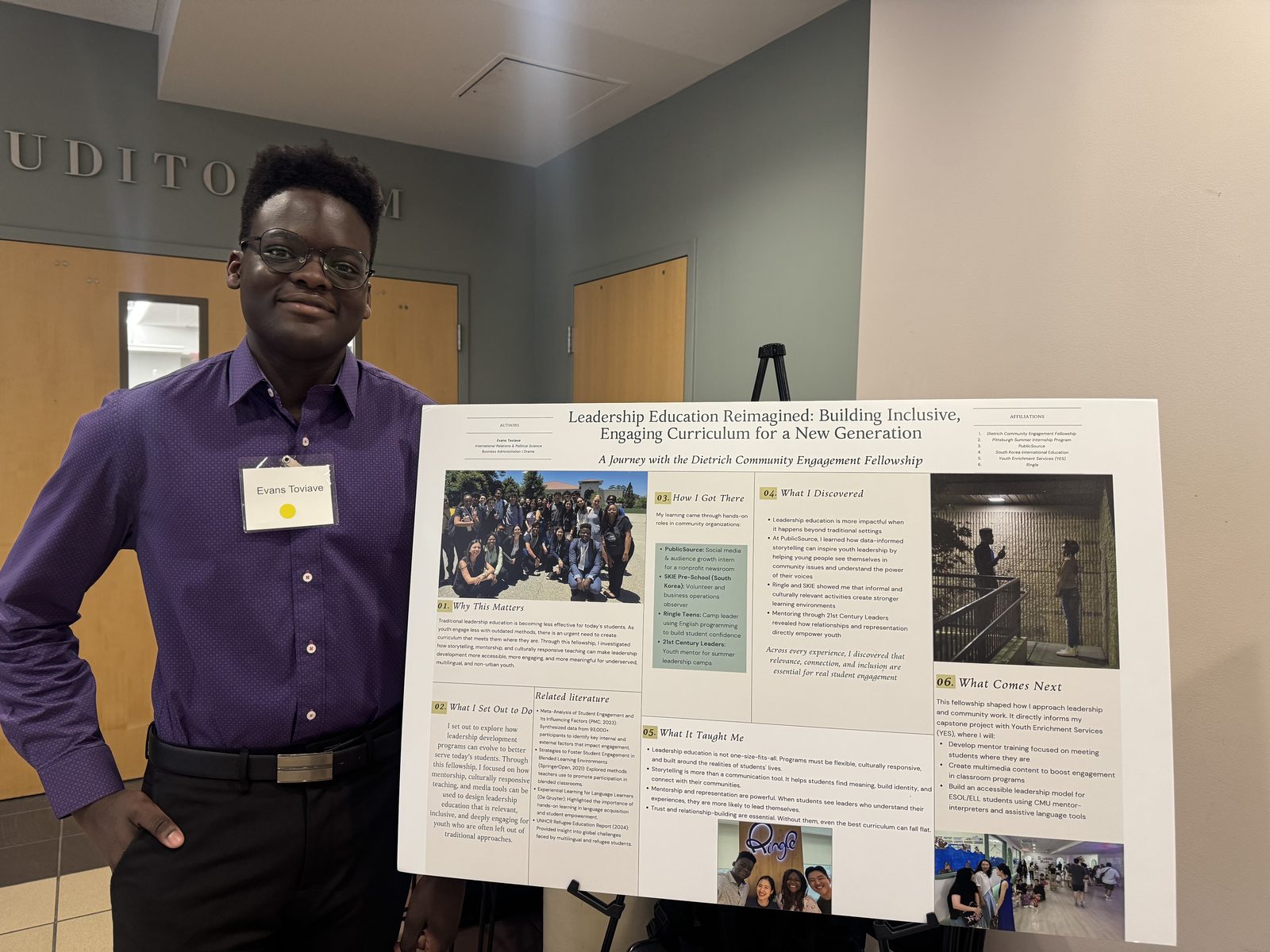
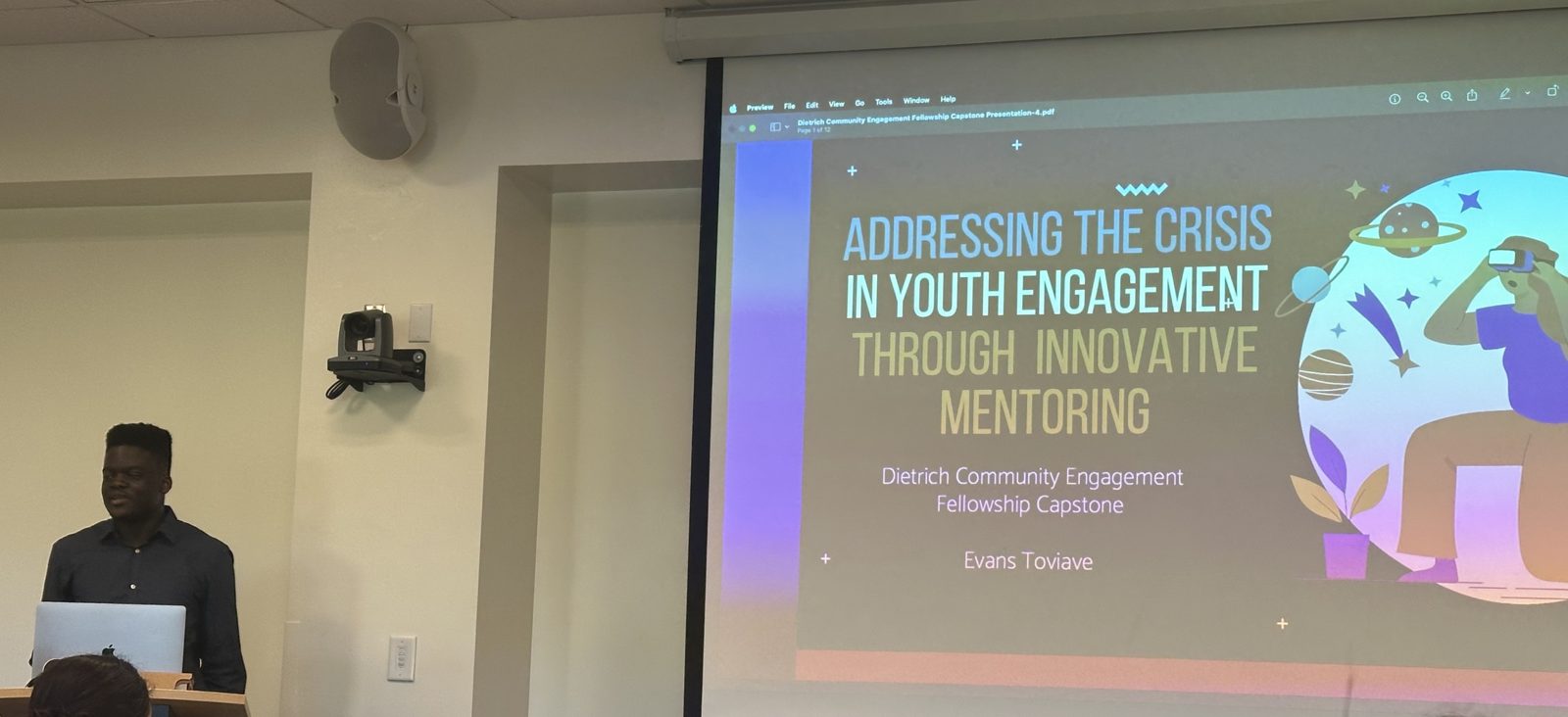
My fellowship research poster, March 2025.Presenting the capstone, April 30, 2025.The live demo, with a volunteer in a low-cost phone headset and what they see mirrored on the screen behind.
How a module works. You choose a format, watch the 360° film from my 2025 demo, look around a mentoring session from both seats, and practice a response. No headset? The demo shows you the headset view right on your screen. If you have a cardboard viewer, setup steps are included. About four minutes.
More about the project
The question was personal. I grew up in a single-parent, first-generation household, and in prestigious spaces like Carnegie Mellon I've often felt like I belong to two different worlds at once, in a way most people around me don't. Many students who end up at schools like this one come from very different backgrounds than the young people they mentor, and good intentions alone don't close that gap. I wanted to give mentors a way to see a session from the young person's side before they ever sit down together.
I was part of the fellowship's second cohort and received a $3,000 Community Engagement Learning Grant for this project.
Through the Collester Family Community Engagement Fellowship, I led a project with Youth Enrichment Services called Centering Empathy in Youth Engagement. Interviews showed that new mentors were onboarded inconsistently, so I helped design a VR-based training module meant to let a mentor step into the point of view of the young people they work with, and presented recommendations to the organization's leadership. I presented the project at the end of the fellowship in April 2025, with a live headset demo of one module.
In 2026 I returned to the project as an independent study. After reviewing 77 sources, I rebuilt the training around perspective-taking instead of empathy, because the research shows VR does not reliably create empathy on its own. The result is a ten-module, 6.5-hour curriculum and a facilitator guide for staff. Every module works on a phone, a headset, or an ordinary screen, and each video is paired with context, discussion, and a practice scenario based on a fictional mentee.
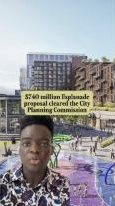
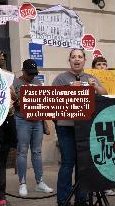
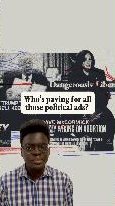
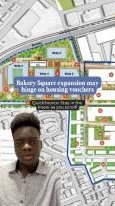
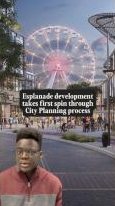
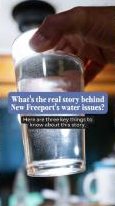
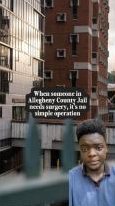
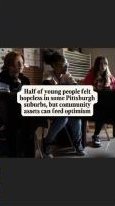
PublicSource is where I really got to know Pittsburgh. Turning a reporter's story into a short video meant sitting with the reporting long enough to find the people at its center, from a land deal in the Hill District to teens in the suburbs, and then figuring out how to bring their voices to people scrolling past on their phones. I covered events on the ground too, including election night 2024, when I interviewed U.S. Rep. Summer Lee after her reelection.
It was also my first real lesson in the business side of local news. A small nonprofit newsroom competes for attention like any brand, so making sure local voices were heard took strategy as much as storytelling. I made two to three videos a week, tracked what worked in Sprout Social, Meta Business Suite, and Buffer, and turned the numbers into recommendations the team acted on. I also documented the production process so reporters and future interns could keep it going. PublicSource later wrote that I "brought creativity to crafting social media copy, producing reels and deepening audience connections."
Carnegie Mellon Model United Nations · Director of Communications, Executive Board · 2023–2025
Rebuilding a team
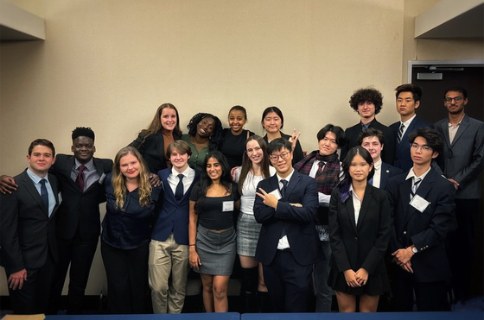
As Director of Communications and a member of the executive board, I helped run the team, not just tell its story. Everything our posts announced, from recruitment and new-member events to fundraisers and conferences, I helped make happen on the operations side. In November 2023 I helped organize our trip to Georgetown's conference, the biggest Carnegie Mellon Model UN trip in at least five years.
5 → 20active members, through targeted outreach and rebuilt team documentation
The team at Georgetown's conference, November 2023.More about the team
With the rest of the executive board, I planned and ran our recruitment at the club fair and open house, new-member events, and fundraisers like Valentine's Day care boxes and Giving Day, organized conference travel, and co-chaired CMUMUNC, the team's annual conference, across more than ten committees. I also relaunched our Instagram with a series introducing each member of the board and rebuilt our internal documents so new members could get up to speed with help from our more experienced delegates. That groundwork is what let so many first-timers make the Georgetown trip. I also helped promote and organize the team's trip to ChoMUN, the University of Chicago's conference, though I didn't attend that one myself. Afterward, I wrote about the team's results, including a Best Delegate award, for The Tartan, the campus newspaper, and shared the story on our Instagram.
Chapter II · Seoul2023–now
ListenTranslate
37.57° N, 126.98° ESeoul
One conversation at a time
More than 900 client sessions with professionals abroad taught me to figure out what someone needs, fast, and build the plan around it.
900+client sessions, each planned around a needs consultation
4.77average rating out of 5
Tier 3promotion at Ringle
Read the full story
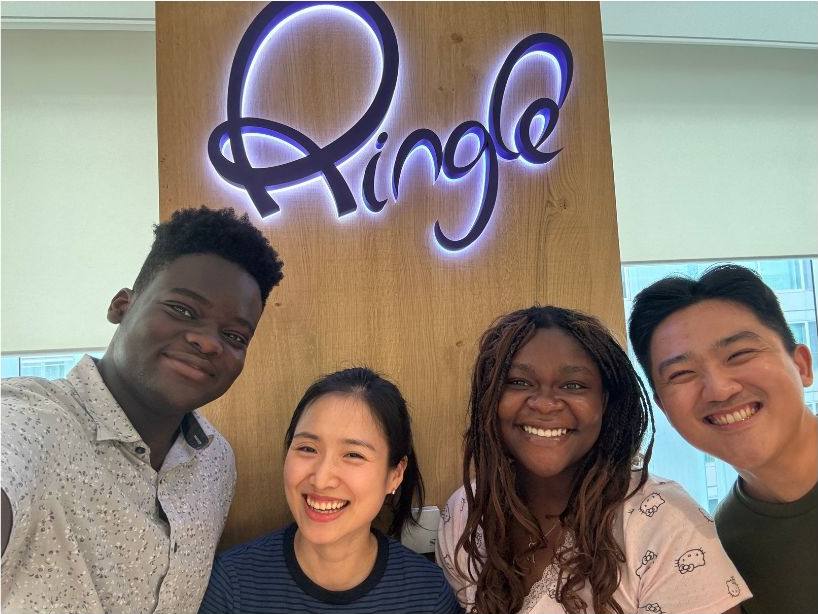
Since 2023 I've coached international professionals in English and business communication through Ringle. Every session starts with a short consultation about what the person needs, and many come with less than two hours' notice, so I've learned to read a profile, build a plan, and adapt it live.
What keeps me coming back is the people. Over 900 sessions, I've talked with people from different countries, industries, and stages of their careers, and at first we can seem to have little in common. But once we start talking, we almost always find a connection in our stories, whether it's a first job, a family's expectations, or the nerves of speaking up in a language that isn't your first. Those moments are what make the coaching work, and they've taught me more about listening than almost anything else I've done.
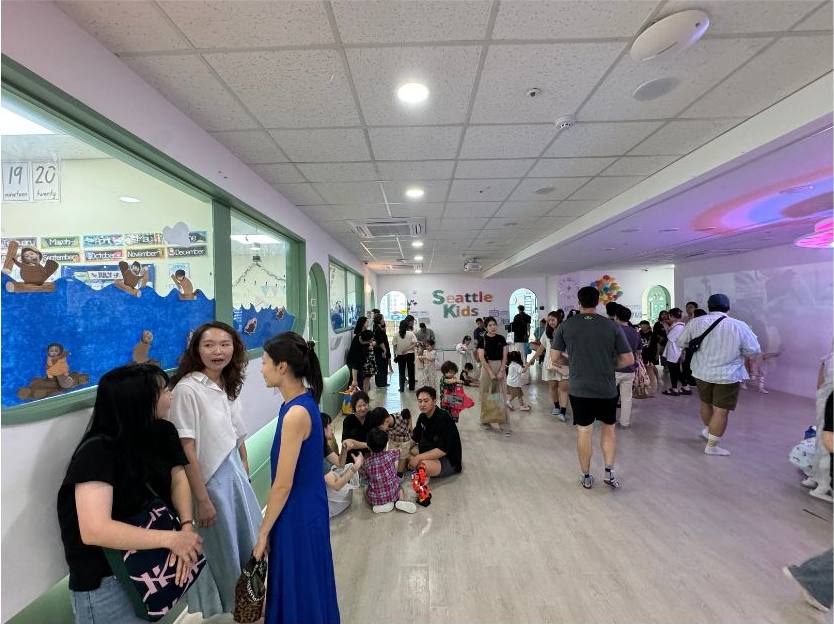
The work also took me to Seoul in person, to help run Ringle's children's day camp, and I volunteered with Seattle Kids International Education there. Back on campus, I served as Ringle's ambassador at Carnegie Mellon.
Chapter III · Kenitra, MoroccoSummer 2025
ListenTranslateBuild
34.26° N, 6.58° WKenitra
Teaching without a shared language
I was the first English teacher at a new youth sports center, getting by in Arabic, French, and English. I didn't know I'd be the first until I got there.
Read the full story
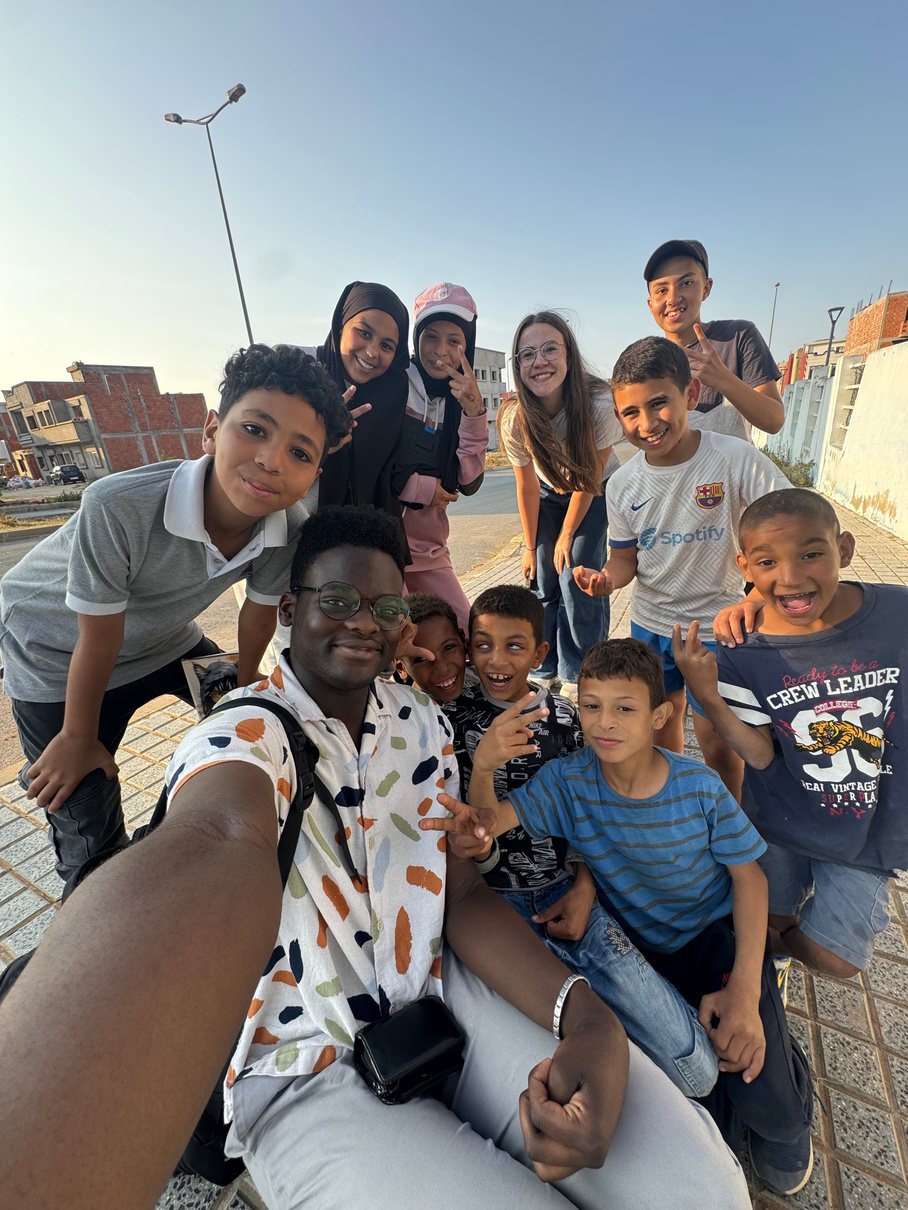
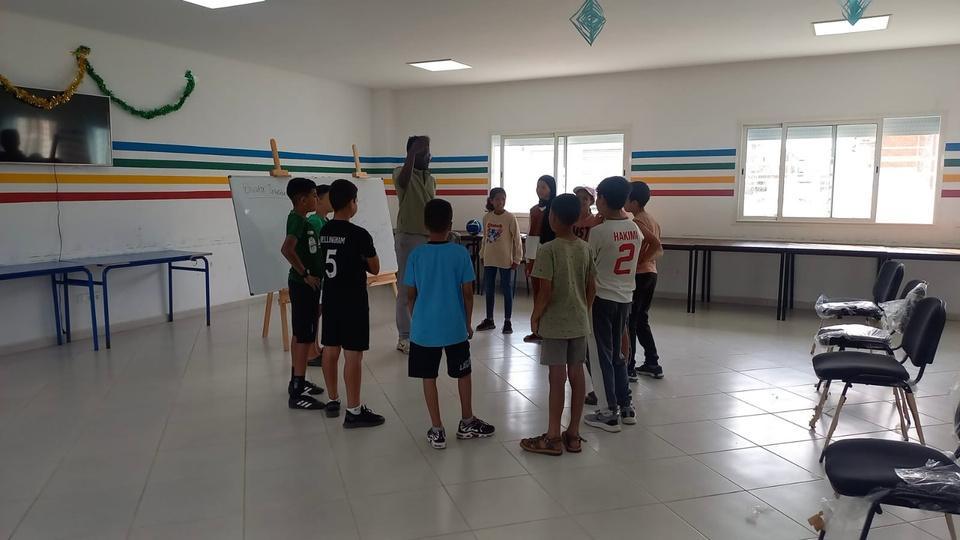
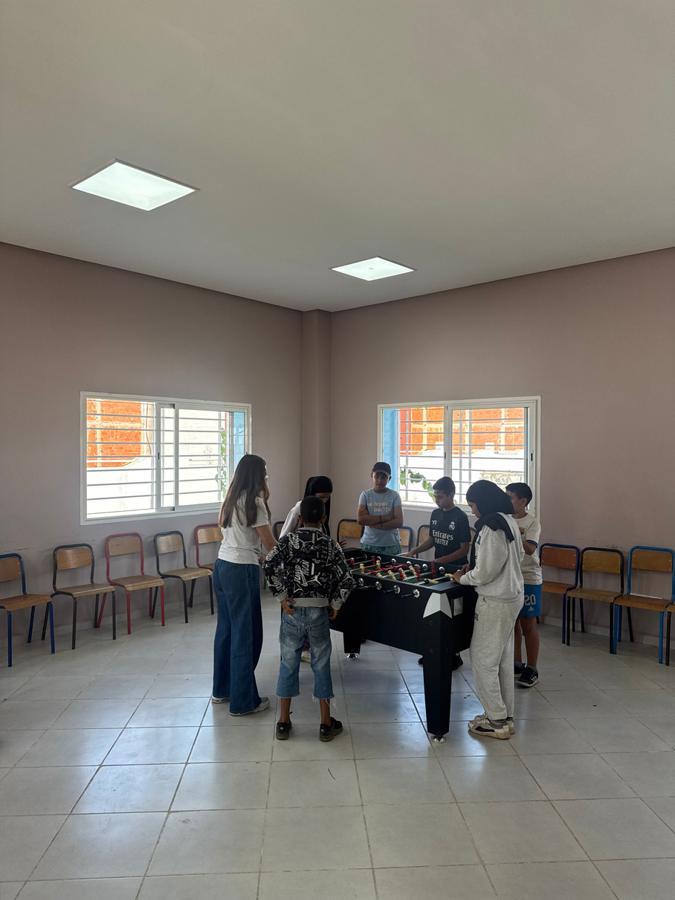
With support from Carnegie Mellon's Jennings Family Brave Companions Fund, I volunteered at the Centre Socio Sportif in Kenitra. I didn't know I would be its very first English teacher until I arrived. The center was a nonprofit in its first year, serving young people in Bir Rami, a developing neighborhood, from kids excelling in school to kids who couldn't attend because they worked to support their families.
Designing lessons for that range meant starting from what we already shared. It was a sports center, so sports became the way in. Games and teams got everyone moving and laughing, built trust before we had many words in common, and gave us a reason to learn new ones.
I lived with a host family who welcomed me as one of their own, began learning Arabic, and strengthened my French, since English alone often wasn't enough.
The Jennings fund exists to help students who might not otherwise go abroad, including first-generation college students, spend a summer studying, researching, or serving in places that study abroad programs rarely reach. Afterward, I wrote a reflection and made a video about the summer to help carry that mission forward, so more students like me can picture themselves going.
Chapter IV · The Gulf2025–2026
ListenTranslateBuild
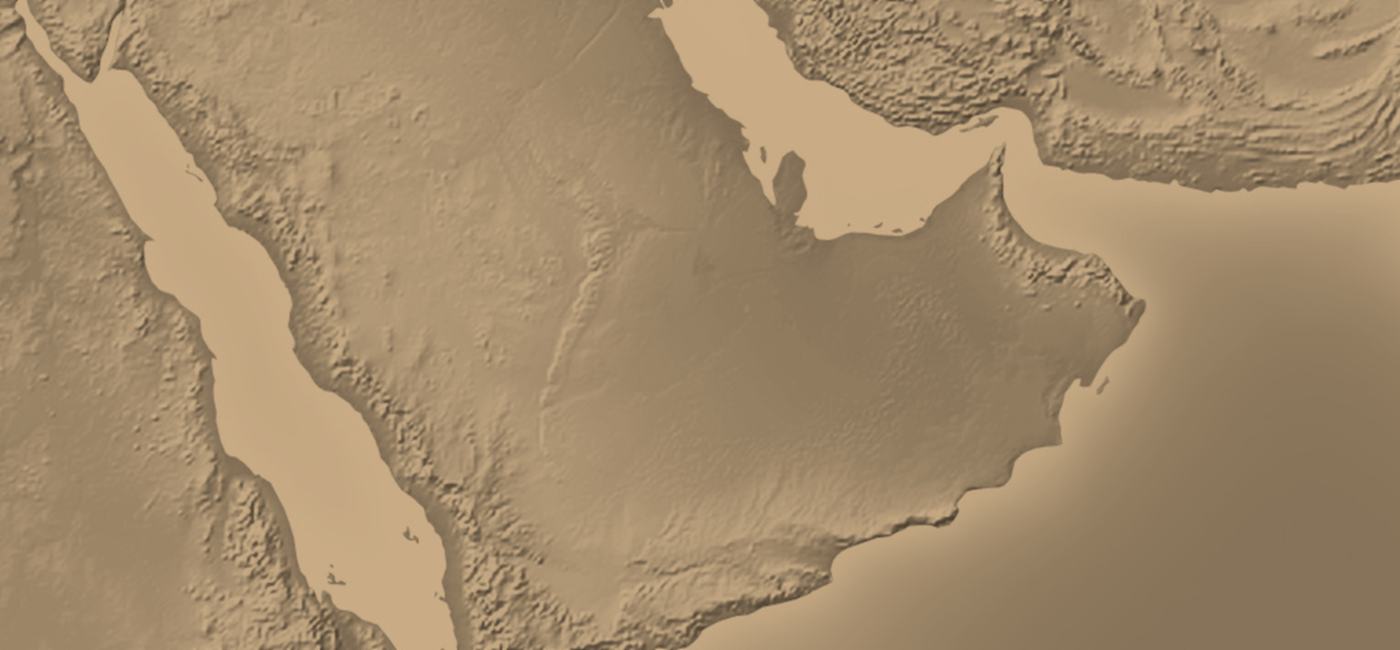
Doha · Jeddah · Abu Dhabi · RiyadhThe Gulf
It started with one trip to Doha
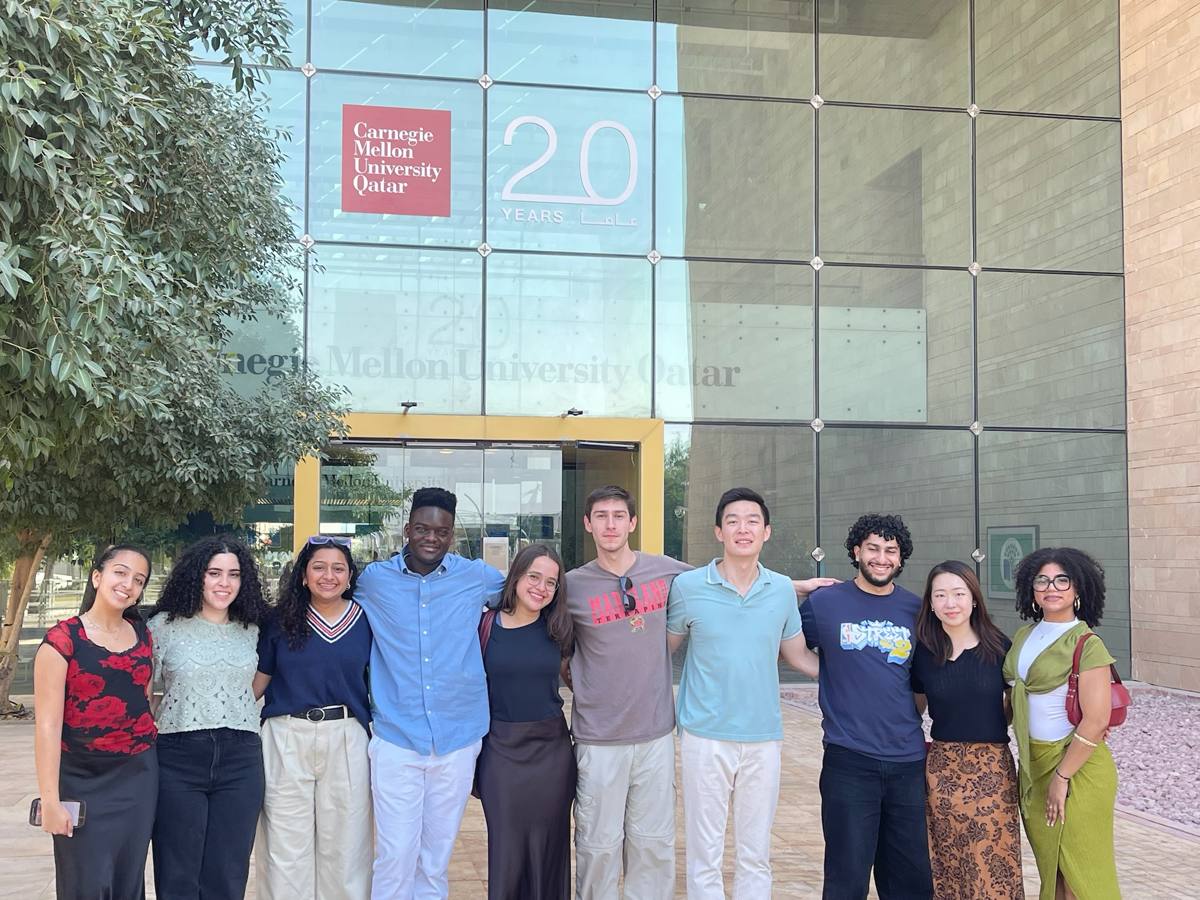
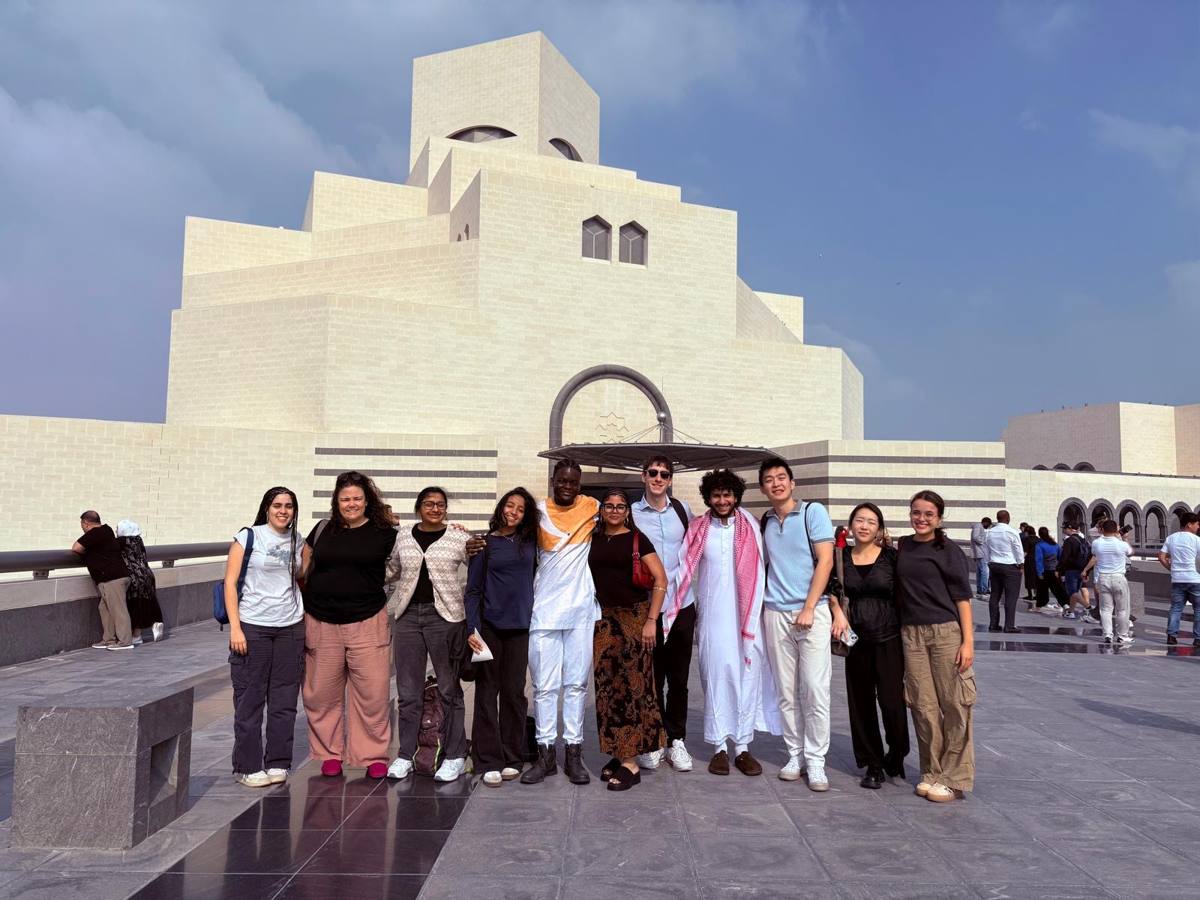
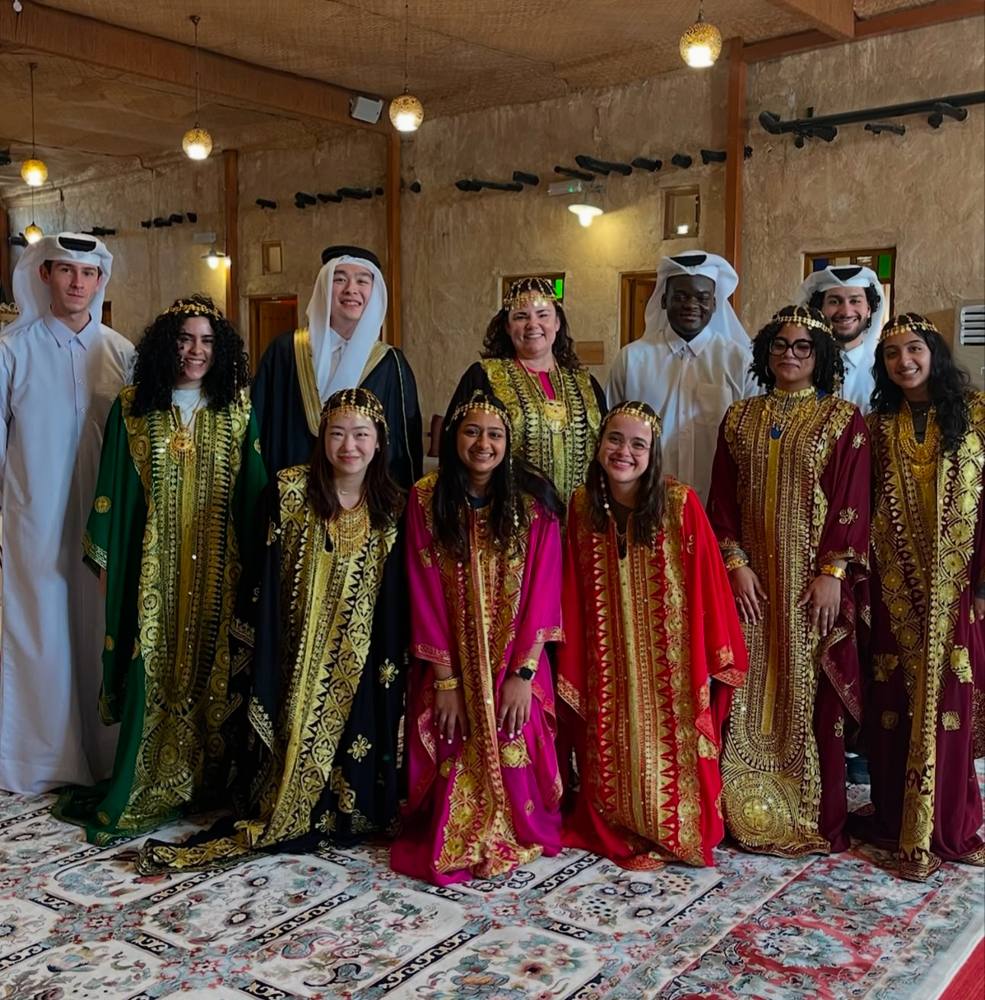
An exchange program brought me to Qatar in January 2025. It led to teaching in Saudi Arabia and the UAE, a semester back in Doha, and my senior thesis.
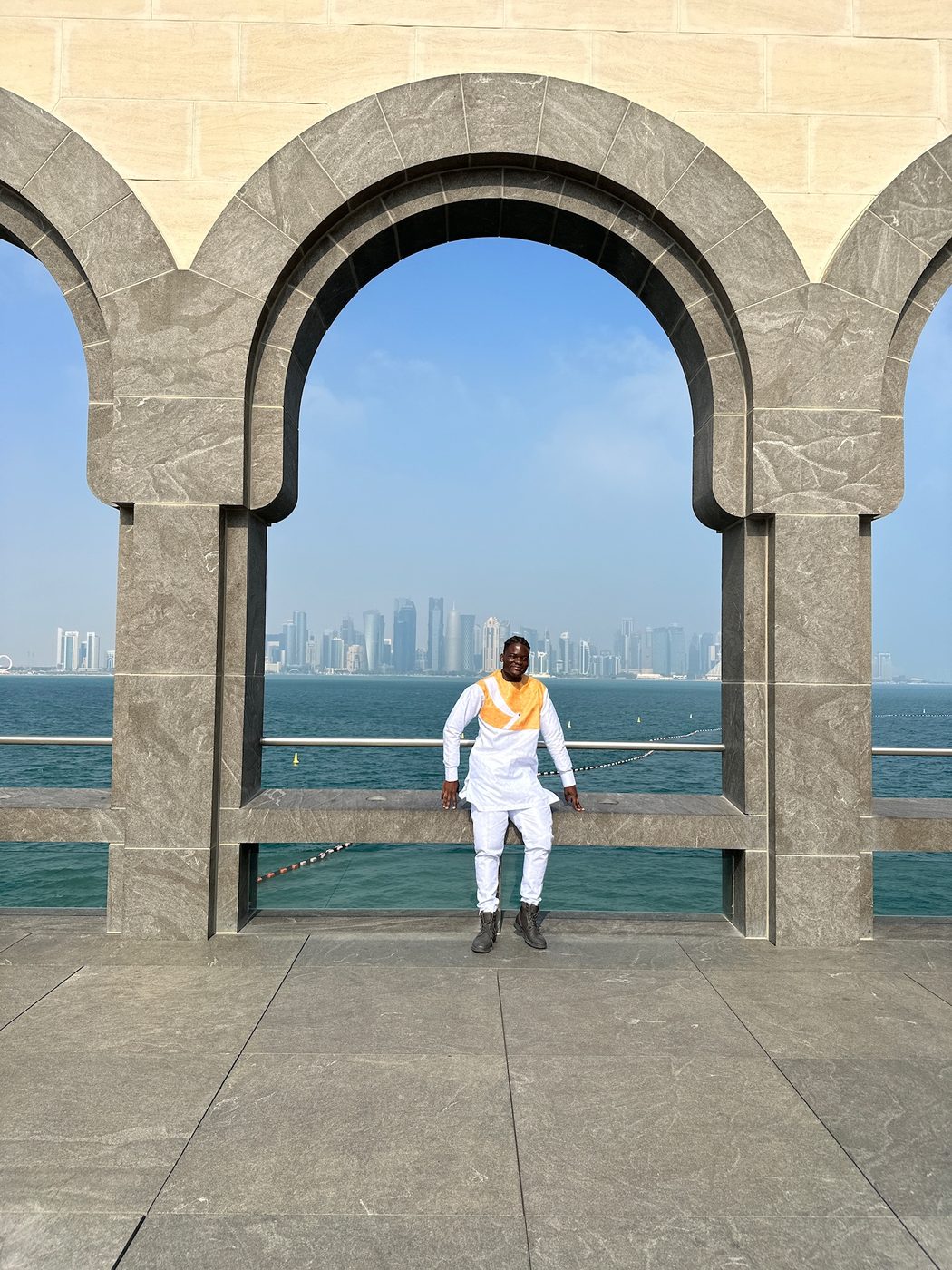
January 2025DohaIMPAQT, an exchange between the Pittsburgh and Qatar campuses. My first time in the Gulf.
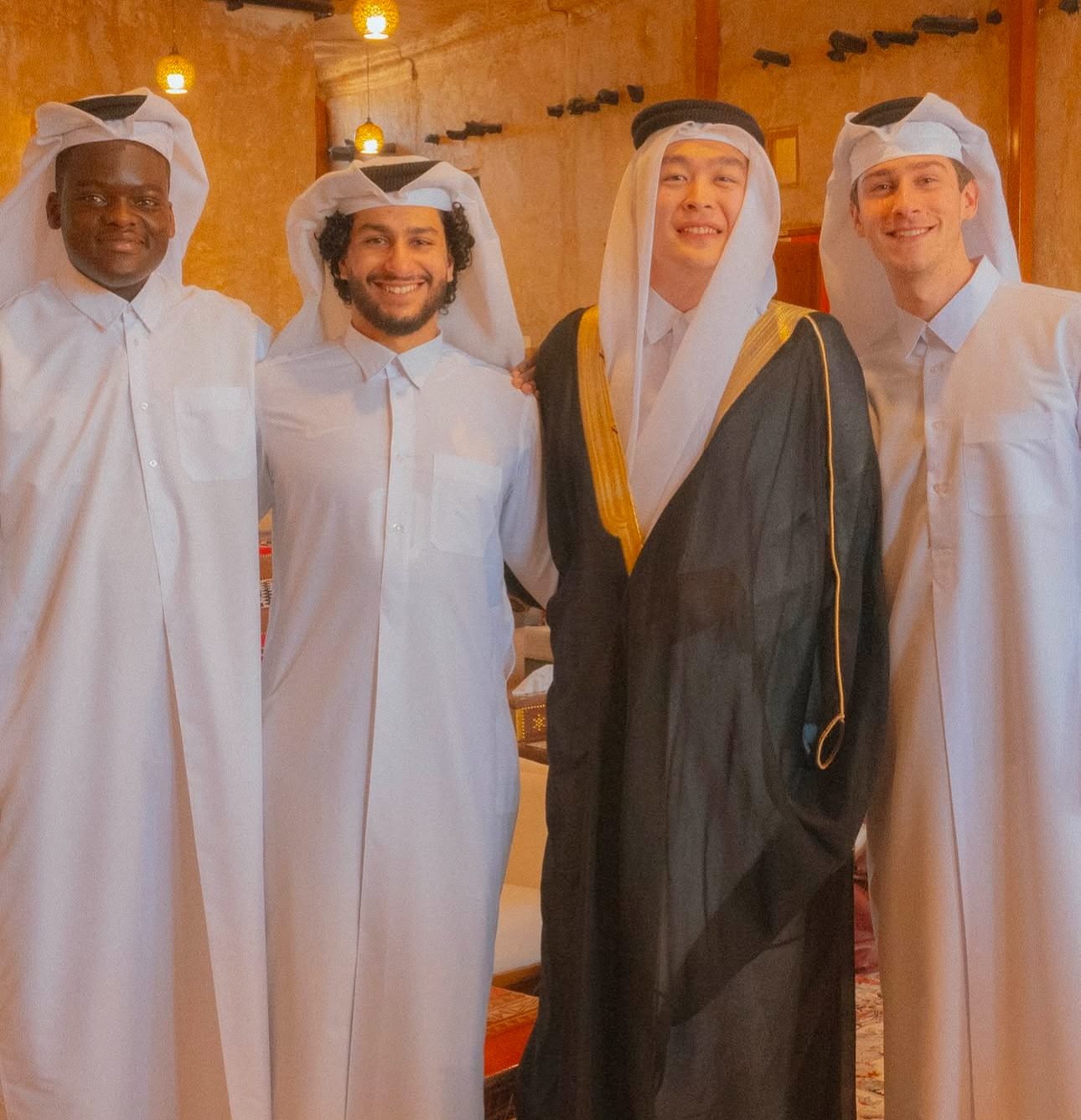
Summer 2025Jeddah & Abu DhabiLeading camps with Ivy Camps USA at Nün Academy and Repton School Abu Dhabi, learning the region through its classrooms.
I ran leadership and entrepreneurship programs for 100+ students across three cities, and said yes when a winter in Thailand became a winter in Riyadh.
100+students in Jeddah, Abu Dhabi, and Riyadh
3–14age range, changing by the week
20students at a time, on my own
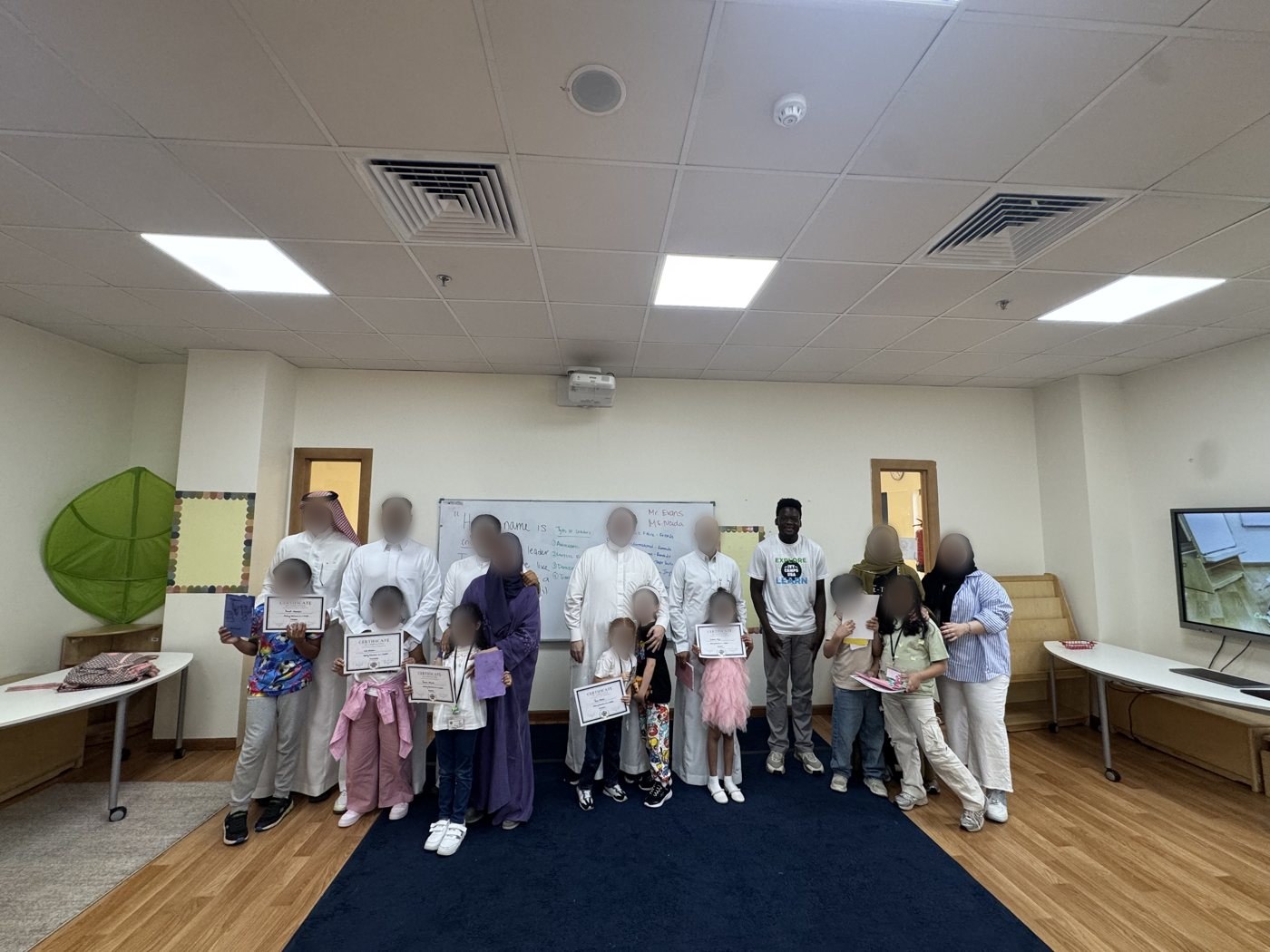
Certificate day in Jeddah, July 2025
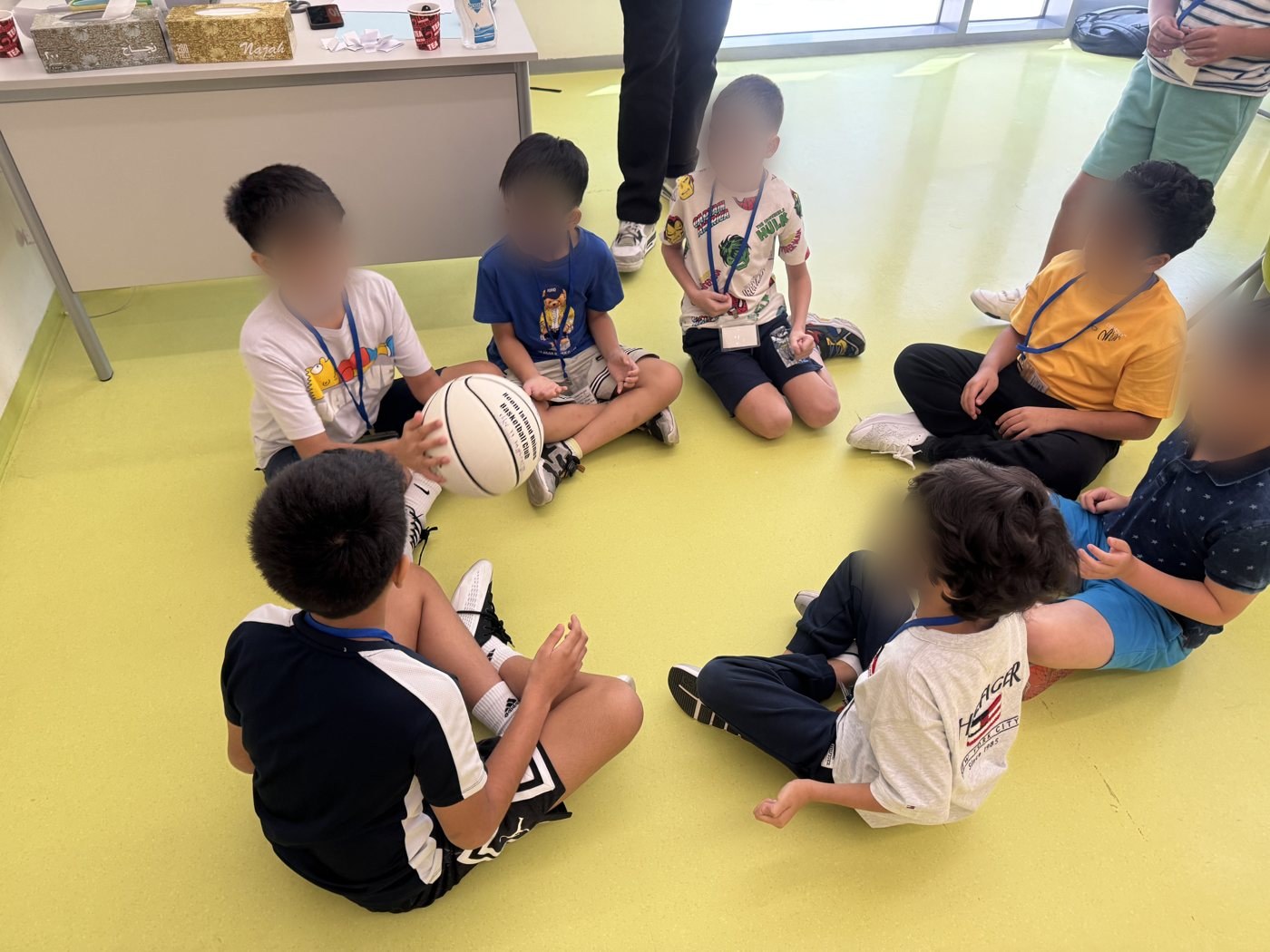
A team game in Abu Dhabi, July 2025
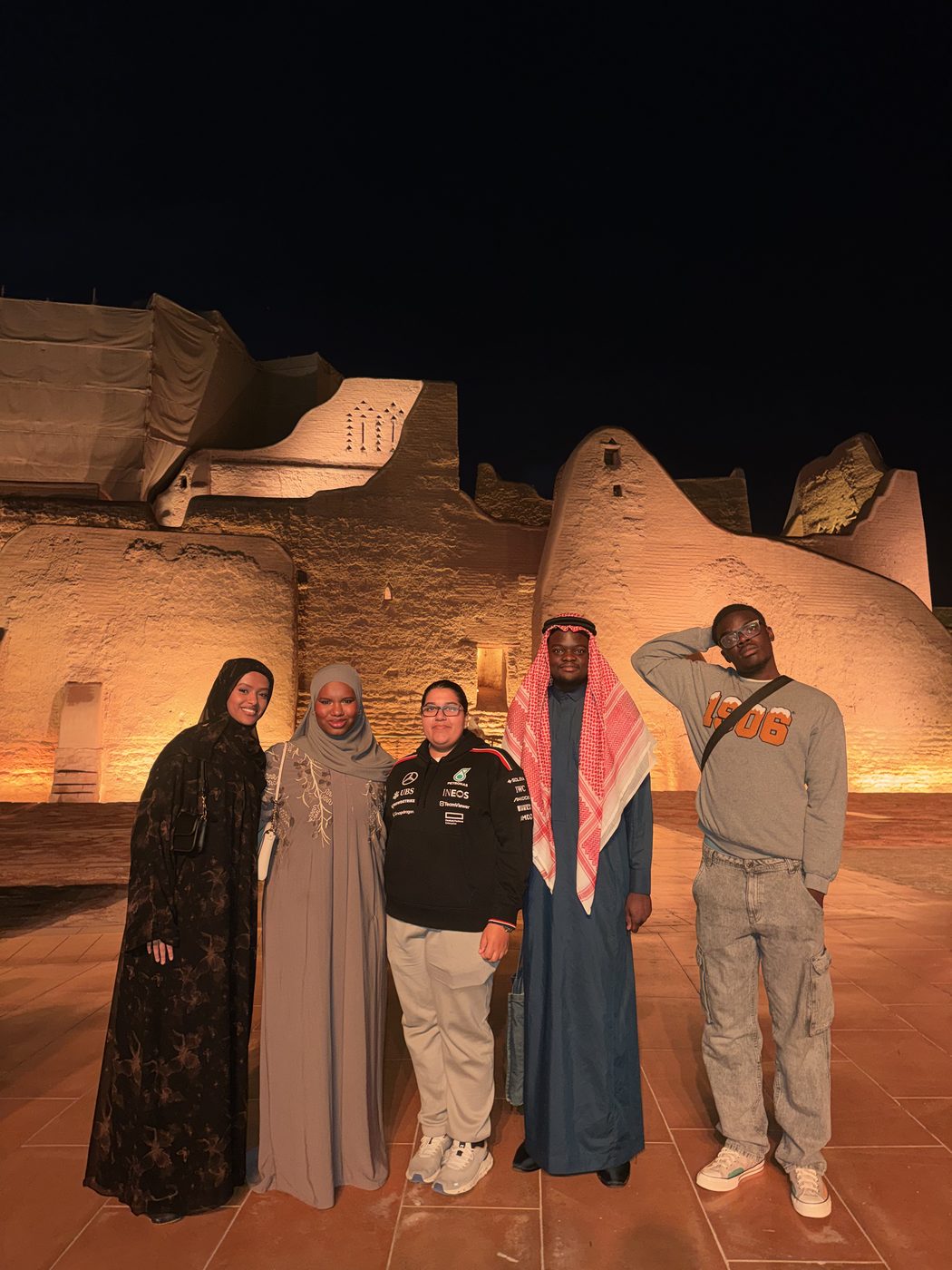
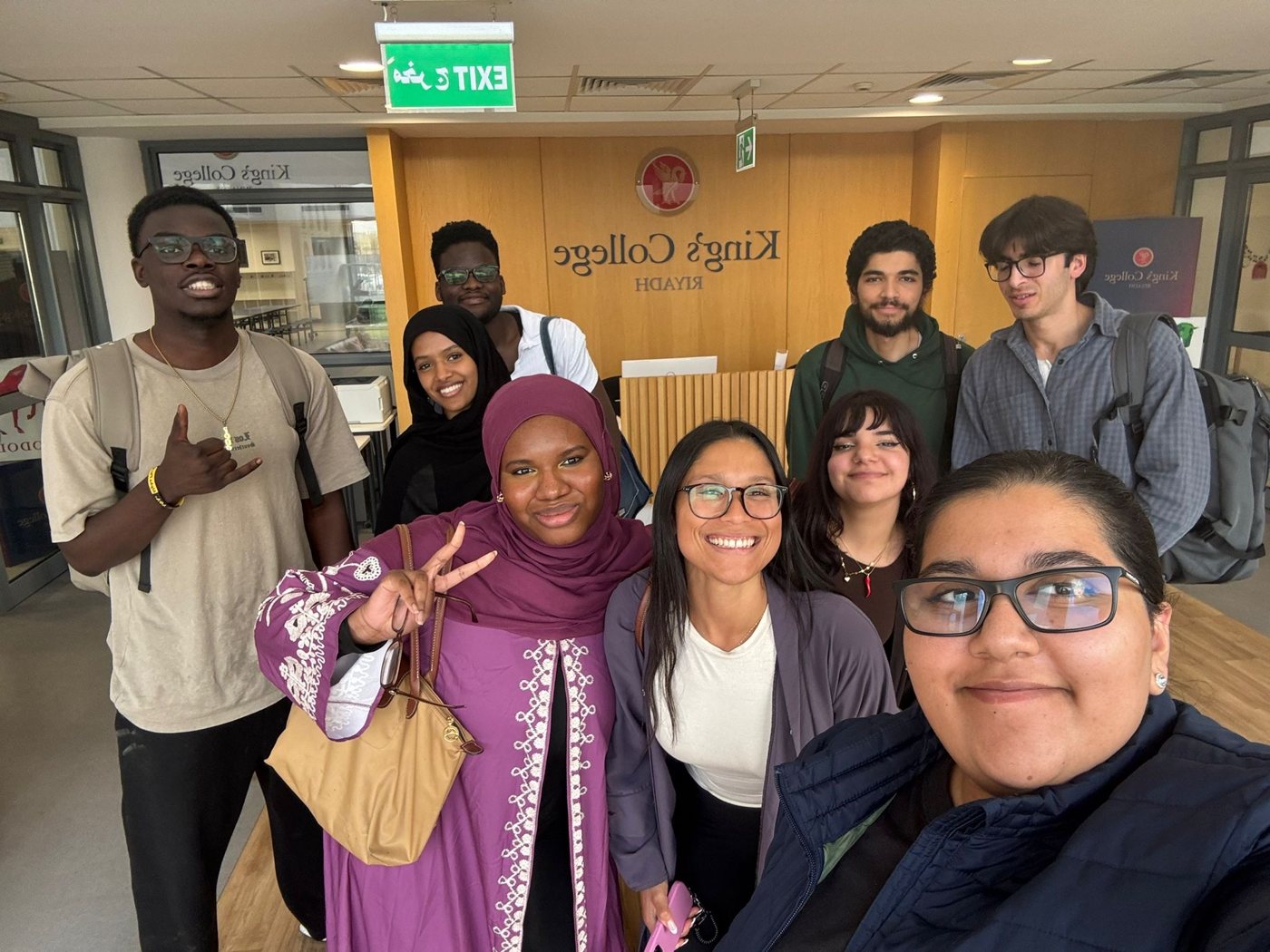
King's College Riyadh, December 2025
Read the full story
As a program lead with Ivy Camps USA, I designed and delivered leadership and entrepreneurship programming in Jeddah and Abu Dhabi in summer 2025, then in Riyadh from December 2025 to January 2026, after the organization asked me to switch from Thailand. It built on two summers as a leadership mentor with 21st Century Leaders, running week-long leadership and entrepreneurship programs on university campuses. The subject changed weekly and lesson plans were often built the day before, for groups of up to 20 on my own and full-group sessions of 50 to 75.
For the summer programs I built curricula including "Building a Marketplace" and "Take Charge! Leading as a CEO," for students ages 6 to 9 and 10 to 14.
The work meant coordinating with local schools and government stakeholders, adapting material to each country's culture and expectations, and reporting what worked back to the organization's leadership.
Chapter V · Doha, QatarFall 2025 · back where it started
ListenTranslate
25.31° N, 51.44° EDoha
Noticing what policies leave unsaid
I came back to the city where the Gulf chapter began, and turned what I had seen living and teaching across the region into a thesis question. How do Qatar and Saudi Arabia govern Arabic and English without ever naming a language policy?
Read about the semester
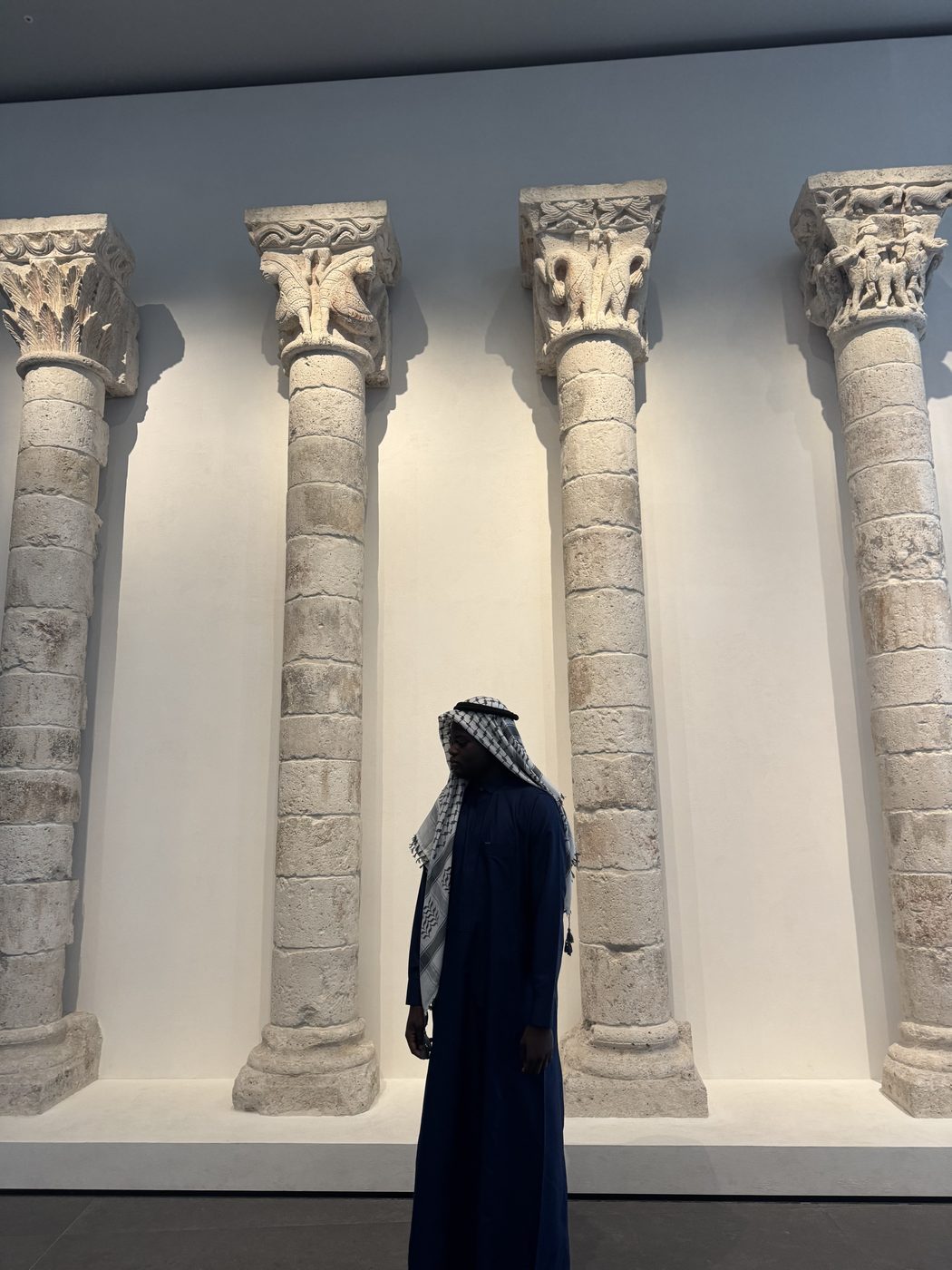
Doha had become a home away from home since my first IMPAQT trip, so I came back for a full semester in fall 2025 at Carnegie Mellon University in Qatar, cross-registered at Georgetown University in Qatar.
At Georgetown, I took a course on negotiation and the art of diplomacy and got to see political science in a completely different environment, with classmates from all over the world. At Carnegie Mellon, my business courses showed me how innovation is driven within different cultures, and how American culture is interpreted around the world.
It was also where I began my senior honors thesis, working with Dean Dudley Reynolds of CMU-Qatar, a former president of TESOL International Association. Along the way I presented the Pittsburgh side of IMPAQT to students in Doha and joined Deloitte Middle East's D-180 mentorship program.
That semester changed much of how I see the world. It gave me the habit of looking at every problem from more than one place at once, which I take everywhere with me and hope to carry into every avenue of my career.
Senior honors thesis · Advisor: Dean Dudley Reynolds, CMU-Qatar, former President of TESOL International Association · 2025–2026
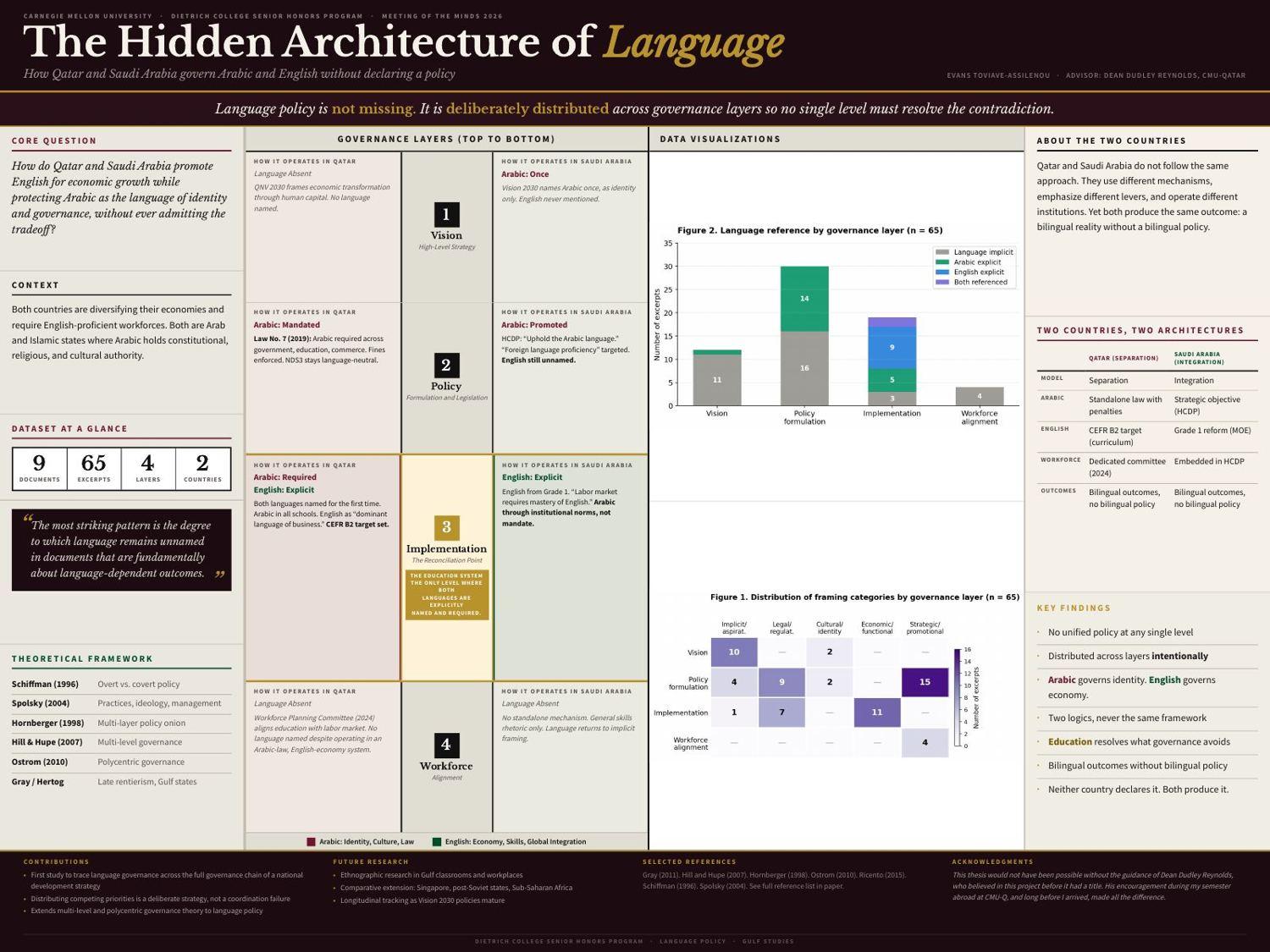
The hidden architecture of language
I compared the two Gulf countries I had come to know best. In both, everyone around me needed English, while Arabic stayed at the center of national identity.
Language policy is not missing. It is deliberately distributed across governance layers so no single level must resolve the contradiction.
9policy documents
65coded excerpts
4layers of government
Read about the research
How the 65 excerpts refer to language, by layer
Vision11
Policy formulation1614
Implementation359
Workforce alignment4
Language left implicitArabic namedEnglish namedBoth named
Education is the reconciliation point, the only layer where both languages are named and required.
Qatar and Saudi Arabia both need English-speaking workforces to diversify their economies, while Arabic carries constitutional, religious, and cultural authority. My thesis, Covert English, Overt Arabic, traces how each country handles that tension across the full chain of its national development strategy, and argues that spreading the competing priorities across layers is a deliberate strategy rather than a coordination failure.
Qatar · separationSaudi Arabia · integration
ArabicA standalone law, Law No. 7 of 2019, with penaltiesA strategic objective in the Human Capability Development Program
EnglishA CEFR B2 target in the curriculumTaught from Grade 1 under Ministry of Education reform
OutcomeBilingual outcomes, no bilingual policyBilingual outcomes, no bilingual policy
I presented the poster at Carnegie Mellon's Meeting of the Minds symposium in 2026. The thesis was approved by the Dietrich College Senior Honors Program in May 2026, and it led to my nomination for Carnegie Mellon's Senior Leadership Recognition, for the thought leadership it reflected.
Chapter VI · Pittsburgh, again2026
ListenBuild
Seeing organizations from the inside
Back in the U.S., I worked inside two operations, studying why people leave a workforce and how a team brings new vendors on board.
6–12 monthsHighest turnover risk, often tied to a lack of advancement
12+ monthsMore stable
My recommendation was a cross-training and leadership pathway offered at the six-month mark.
More about the project
I was looking for practical experience while taking a course on business operations at the Tepper School of Business, and this project let me apply it to a real operation. I segmented more than 1,000 employee feedback records by role and tenure. The pathway was designed to keep strong performers and build a pipeline for supervisory roles, and I summarized the findings in briefing materials for leadership.
Modern Times, Inc. · Business Analyst Intern · Summer 2026
Writing the process a new team runs on
Modern Times runs the community side of large infrastructure projects, making sure small, minority-owned, and women-owned businesses and nearby residents get a real share of the work. That mission is what drew me to them. I wanted to see how a public project gets built with a community, not just around it. I wrote the vendor setup procedure for the East Coast Small Business Team and tracked how small businesses took part in Pennsylvania bridge and highway projects.
More about the work
Tracked small-business participation and compliance in weekly meetings with government, private-sector, and community partners.
Supported community communications around major road closures.
Wrote onboarding documentation the team called thoughtful, useful, and easy to follow, including a Vendor Setup guide for new members of the East Coast Small Business Team.
Chapter VII · Washington, D.C.2026–now
ListenTranslateBuild
38.90° N, 77.04° WWashington
Where it all comes together
At the American Enterprise Institute, I use all three at once. I took an AI research tool from prototype to launch, ran content for a technology podcast, and audited data for the team's research.
AEI · Technology Policy Intern · September 2026–now
Taking an AI research tool from prototype to launch
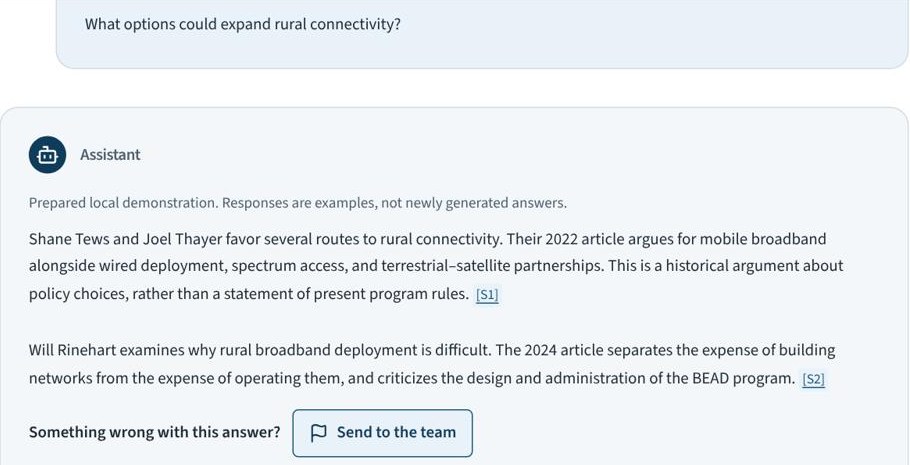
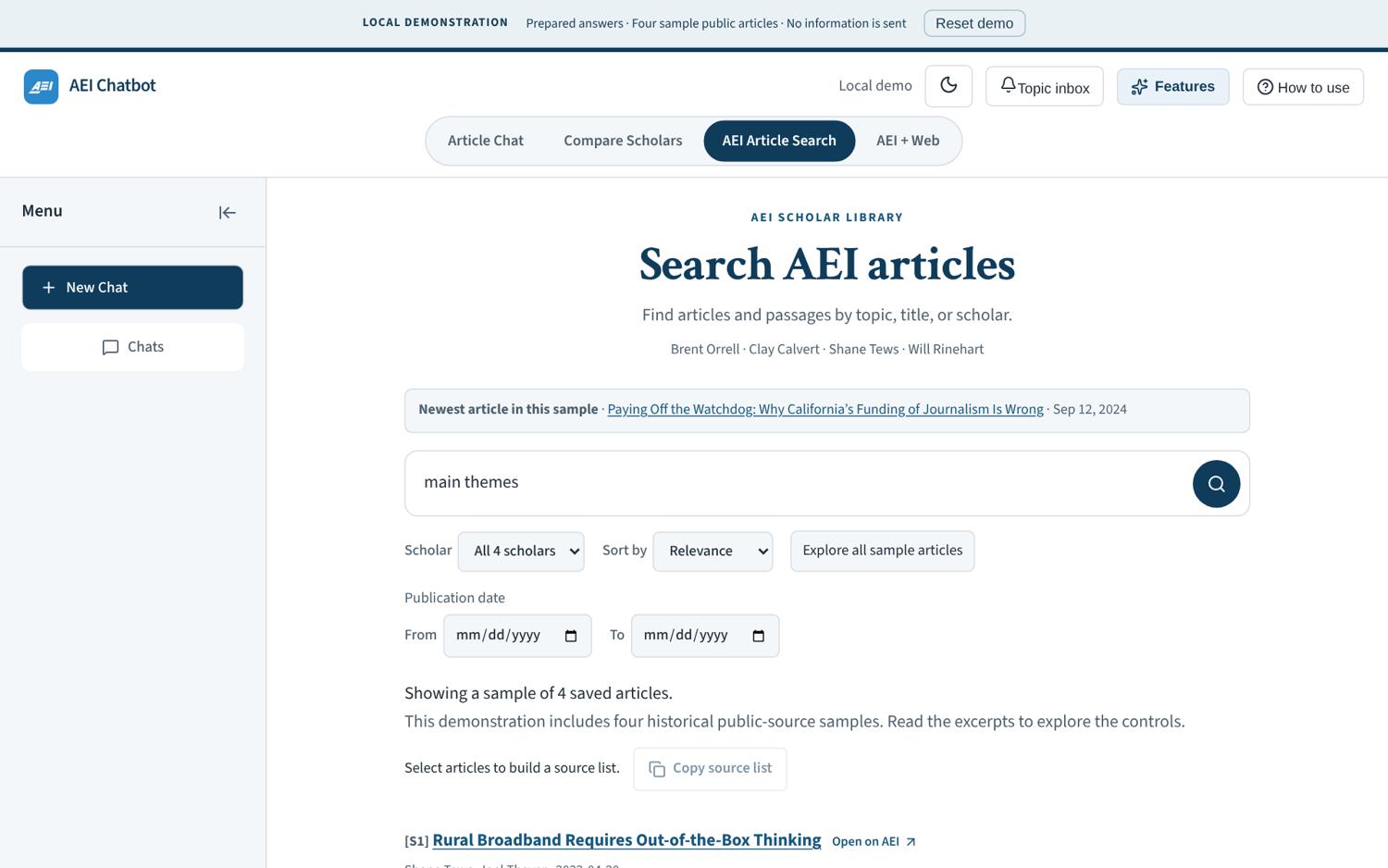
I inherited a prototype that didn't hold up in practice. I set the requirements, rebuilt what wasn't working, and relaunched it for the team in November 2026, with answers drawn from the scholars' own writing and every source cited. Try the working copy below.
3account types with private sign-ins and usage tracking
95new scholar publications verified and loaded
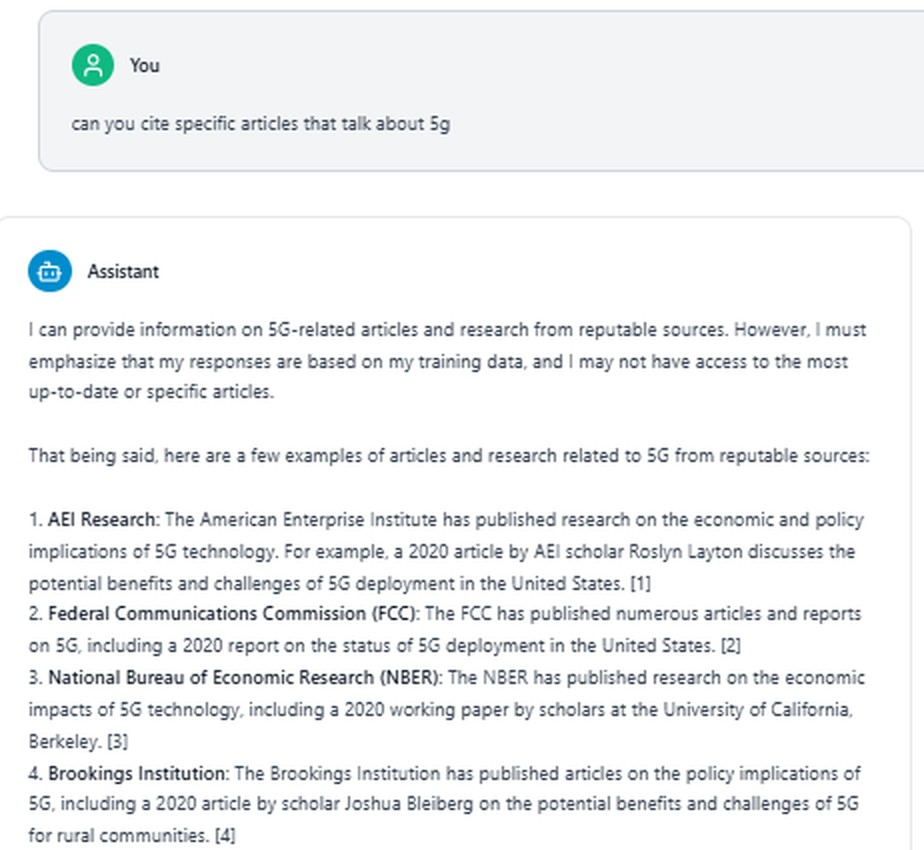
BeforeThe prototype I inherited answered from the AI model's general training, pointed to outside groups like Brookings, and gave references no one could click or check.AfterNow answers come only from the scholars' own articles, with numbered sources you can open and a way to flag problems to the team.
Article search lets you find and cite sources directly.
A working copy of the interface, with four sample public articles and prepared answers. It runs entirely in your browser, with no live AI, no accounts, and nothing sent anywhere.
What I changed
Set up private sign-ins for staff and demo users, with separate chat histories and usage tracking.
Grounded answers in the scholars' own writing, with cited passages and checks on quotations.
Added an article finder for looking up sources directly.
Redesigned the interface and added a walkthrough for first-time users.
Verified and added 95 recent scholar publications, built a bulk import tool so staff can load articles without editing code, and launched the new version to the team.
Alongside the tool, I produced the written and promotional side of a technology podcast, wrote the center's weekly social posts, and kept events running.
6podcast episodes produced for Explain to Shane
10scholars featured in weekly @AEItech posts
560scholar publications indexed for content planning
More about the work
Explain to Shane. Wrote episode pages, edited highlights articles from transcripts, and made audiograms for six episodes of Shane Tews's technology policy podcast, including a multi-guest panel on age verification and digital ID.
Social and newsletter. Wrote a weekly batch of @AEItech posts tying each scholar's work to that week's news, launch posts for reports and events, and blurbs for The Nexus newsletter.
Events. Wrote briefing memos for Shane on outside events including DC Fintech Week, a SANS Capitol Hill cyber workforce briefing, and USTelecom's American Connectivity Forum, and staffed AEI events, including one with the White House OSTP Director.
Handoff. Wrote a 13-section handbook so the next intern can pick up every recurring workflow.
Research support. Sent a senior scholar sourced, verified updates on technology lawsuits, which he used for context in a published AEI report.
AEI · November 2026
Checking every data-center vote on the 2026 ballot
40→54entries, after adding missing contests and separating combined ones
Restrictive side won (46)Harwood, North Dakota, the one exception
More about the project
For a forthcoming AEI article, I audited the institute's tracker against Ballotpedia, official results, and local reporting. I added five missing contests, separated combined measures, added related recall elections, corrected vote totals, and reconciled spreadsheet versions with a clear system for marking edits. The finished tracker covers 47 policy contests and seven related recall or replacement elections. I also drafted the article's account of election night, separating local opposition to data centers from opposition to AI itself.
Writing and research
Selected writing
Writing is a skill I've worked hard to develop and sharpen, and it has been praised throughout my experiences, from social copy at PublicSource to research memos at AEI.
Honors thesisCovert English, Overt Arabic: Language Governance Across National Development Strategies in Qatar and Saudi Arabia
Research poster"The Hidden Architecture of Language," Meeting of the Minds 2026
Reflection and video"Summer Abroad in Morocco," for the Jennings Family Brave Companions Fund
I also help write podcast highlights and audiograms, track technology developments for the team's social media, put together the morning news headlines, staff events, and keep contacts, events, and publications organized in Salesforce and HubSpot.
The through-lineSo what ties it together?
Different places, the same way of working
Listen
Mentors at a youth nonprofit, 900+ coaching clients, kids in Bir Rami, and the scholars who use AEI's research tool.
Translate
Arabic, French, and English in Kenitra; Gulf policy into a clear argument; reporting into short video; research into plain language.
Build
VR mentor training, programs for 100+ students, an audited election tracker, and an AI tool people can check.
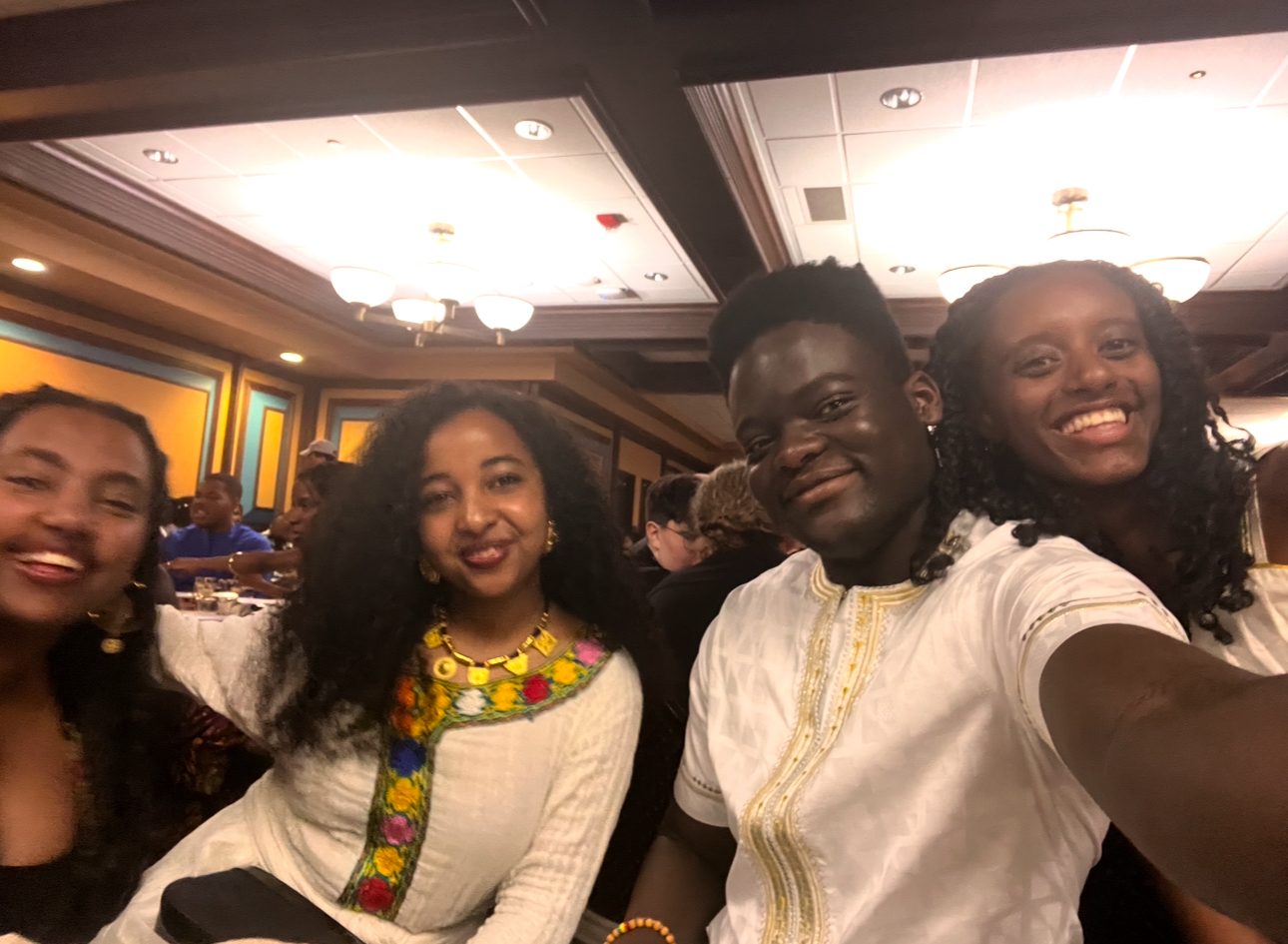
The people along the way
What I'm looking for next
Strategy, business operations, and go-to-market roles at technology, media, and consumer companies, starting in 2027. I'm detail-oriented by habit. I check the source, test the fix, and write it down for the next person. Based in Washington, D.C., and open to relocation, including New York, Chicago, and beyond.
A few class projects from Carnegie Mellon, a sentence or two each. Full papers are available on request.
Social Media, Technology, and Conflict · Spring 2026 · Final project
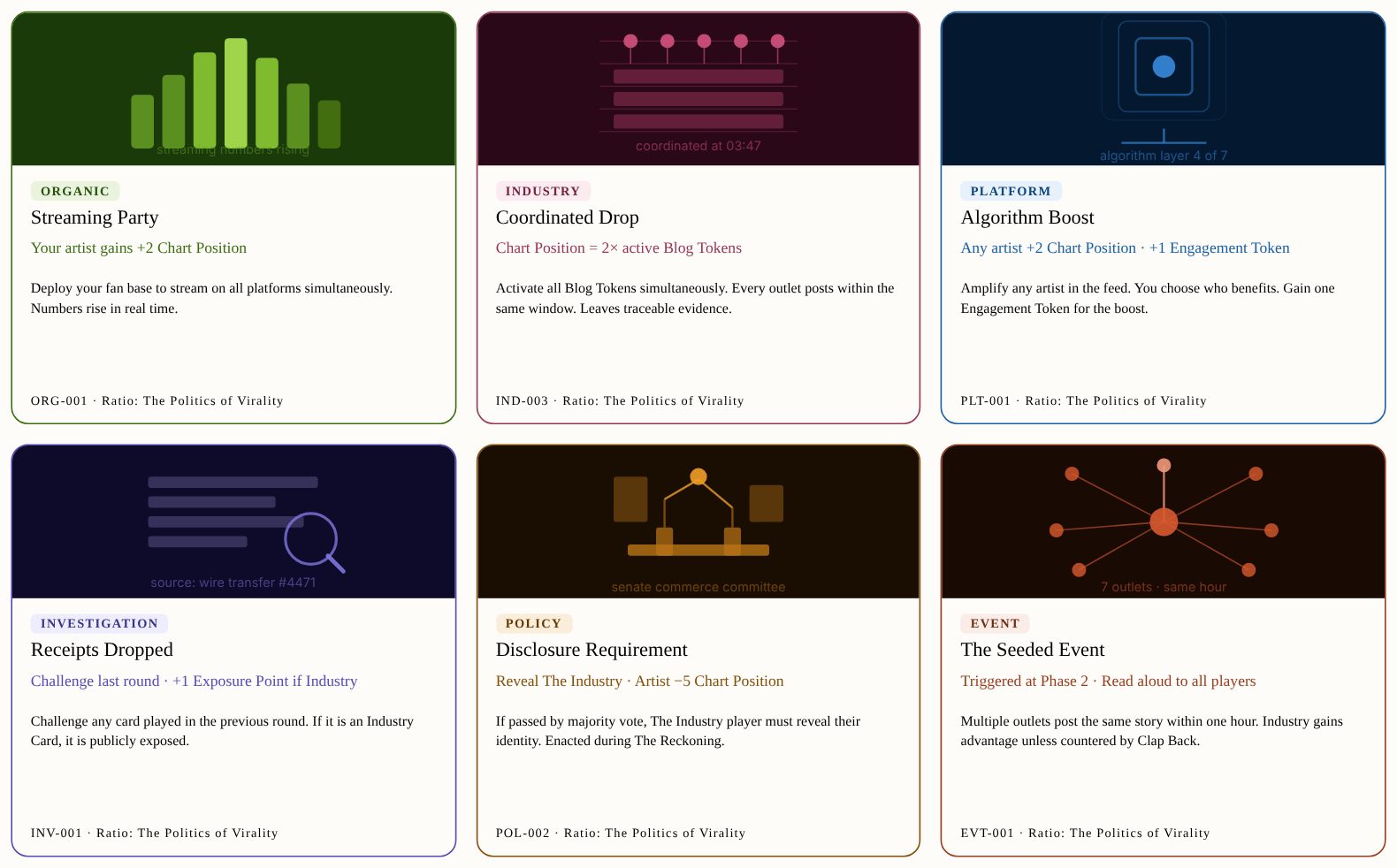
Ratio: The Politics of Virality
A five-player card game that shows how manufactured trends work. Players compete in a music chart war, one "fan" is secretly a label operative, a journalist tries to expose them, and the game ends in a vote on platform rules. I also built a playable browser version.
Play a few cards as a NOVA fan and watch the feed change. It takes about two minutes and runs entirely in your browser.
One card from each of the six decks.
Policy and technology
Social Media, Technology, and Conflict · Spring 2026 · Team presentation
Disinformation as a distribution problem
A policy proposal arguing that false content spreads through engagement-driven algorithms and coordinated networks. I built the slides on algorithmic amplification, the political case for acting, and the close.
Diplomacy and the Art of Negotiation · Fall 2025 · Research paper
Negotiating in public
How public messaging and social media shaped leverage in the Qatar-mediated 2023–2024 hostage talks, and why Qatar's role as mediator depended on managing the narrative.
Policy memo · Spring 2024
Self-sufficiency in West Africa
A memo to the Secretary of State recommending ways to support economic diversification and stronger institutions in West Africa as Chinese investment grows.
Business and strategy
Organizational Behavior · Fall 2025 · Team consulting memo
Evaluating Disney Animation's team structure
Assessed whether small, self-managing teams fit the work in Disney Animation's Systems department, and laid out a plan to keep the model working as it grows.
Organizational Behavior · Fall 2025 · Team presentation
Why the stronger crew kept losing
Diagnosed why a more skilled varsity rowing team lost to its junior varsity. The problem was trust, not ability. We recommended rebuilding trust and sharing leadership before the next race.
Accounting I · Fall 2024 · With a partner
American Airlines and Delta, side by side
A vertical analysis of both airlines' income statements from 2017 to 2019, comparing where each dollar of revenue went.
Class presentation · Spring 2024
Money in the music industry
Followed a $2.5 million record deal down to about $120,000 a year in artist take-home pay, then looked at masters ownership and shelved artists.
Research
Dietrich College Senior Honors Program · 2025–2026
Covert English, Overt Arabic
My honors thesis compares how Qatar and Saudi Arabia govern language in their national development strategies.
Fellowship capstone and independent study · 2025–2026
VR training for youth mentors
My fellowship capstone, extended in 2026 into an independent study that produced a ten-module, 6.5-hour mentor training curriculum built from 77 sources, with a facilitator guide for staff at Youth Enrichment Services.
Independent Study in Theory, School of Drama · 2026
Singing the Nation
A comparative study of how sung theatre has been used to build and contest national identity in the Philippines, a former colony, and Thailand, which was never formally colonized, starting from two plays: Walang Sugat (1902) and Sao Krue Fah (1909).
Musical Theatre History · Spring 2026 · Research paper
Fela!: Broadway refusal and Afrobeat sovereignty
How the Broadway musical Fela! kept its political edge inside a commercial show, from the Afrobeat staging to the coffin at the end.
Foundations of Drama II · Spring 2025 · Research paper
The jali of West Africa
West Africa's griots as keepers of memory, and how spoken performance carries history and power.
Foundations of Drama I · Fall 2024 · Analysis portfolio and PechaKucha
What Mama Said, analyzed
A study of Tess Onwueme's play about women resisting oil exploitation in the Niger Delta, presented in 20 slides at 20 seconds each.
OffstageAll along
Scotch'n'Soda and the School of Drama · PittsburghOn stage
The stage, all along
Drama has been part of my education alongside politics and business, and I love the way storytelling moves between languages and places.
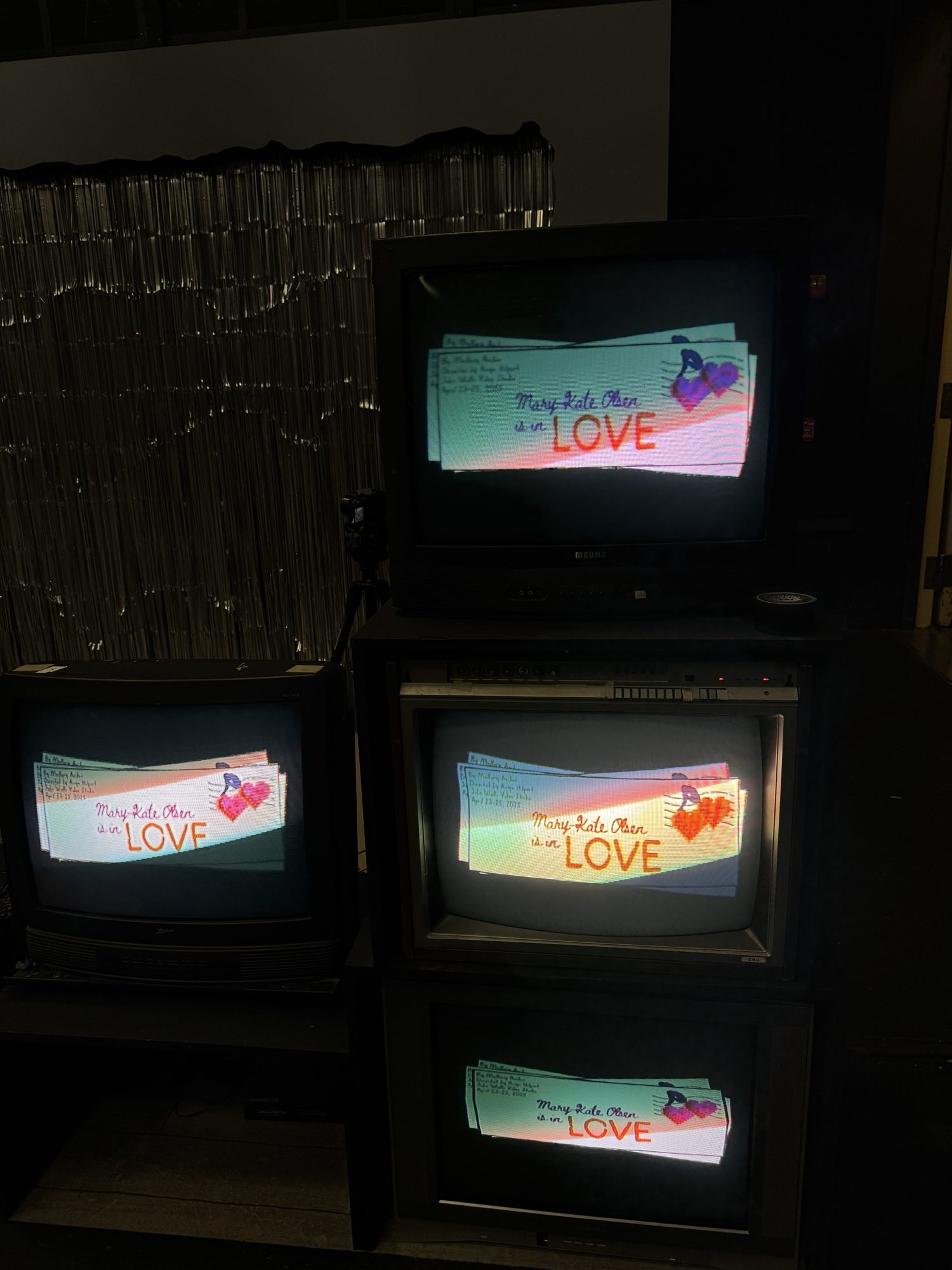
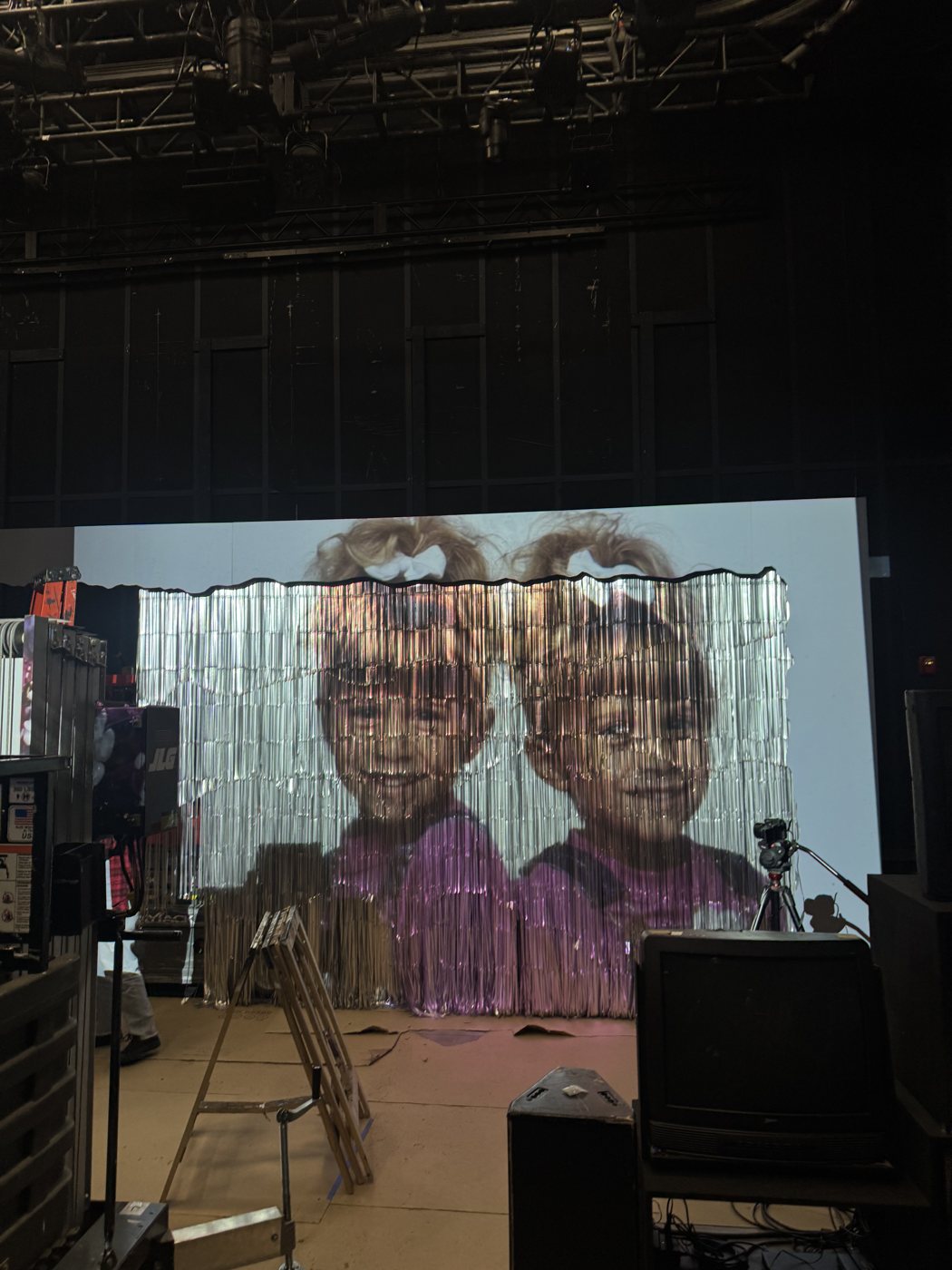
The set of Mary-Kate Olsen Is in Love, spring 2025
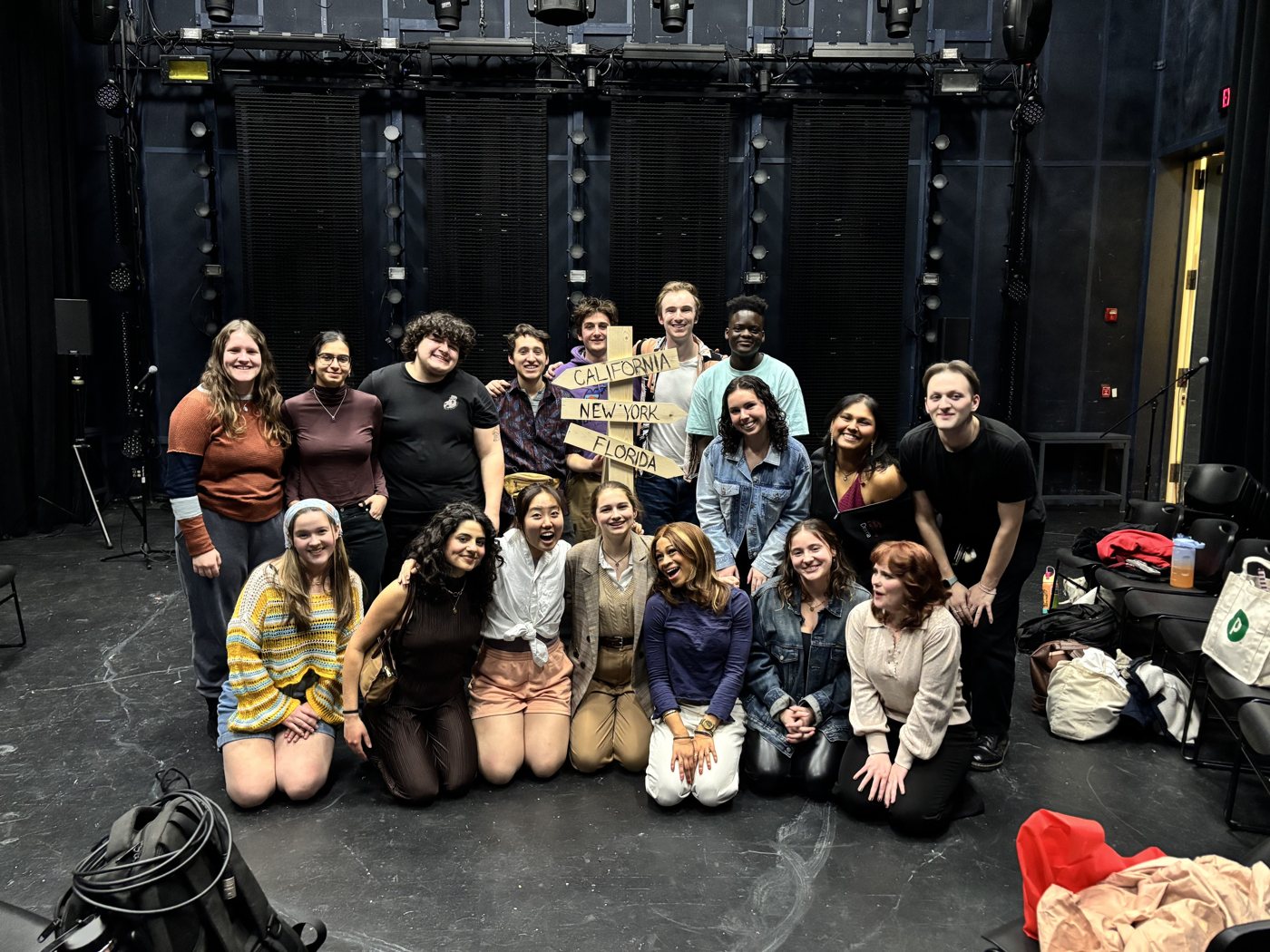
With the cast and crew
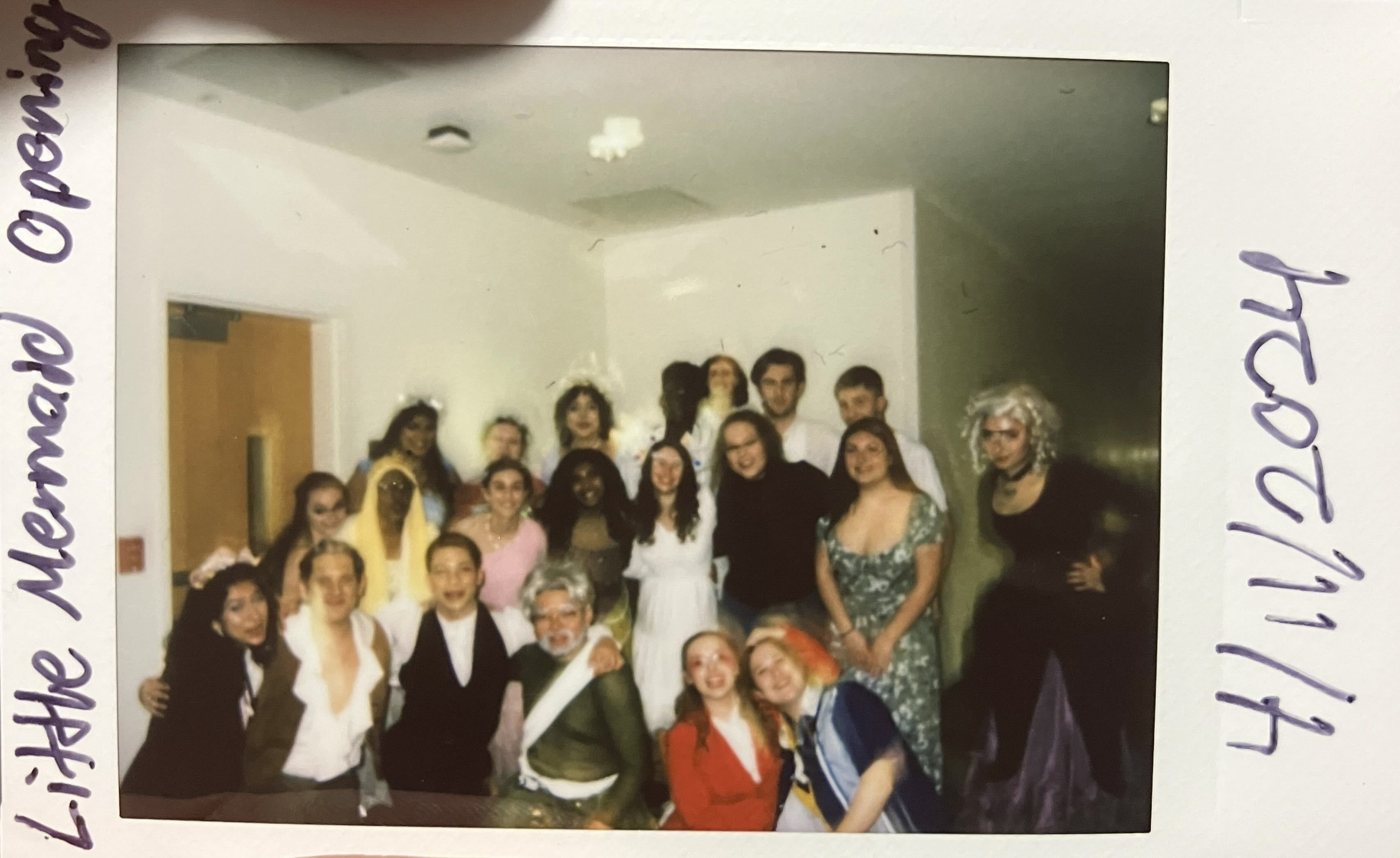
Opening night of The Little Mermaid, Scotch'n'Soda Theatre
See productions and credits
The Little MermaidWindward, Chef, Sailor, Ensemble · Scotch'n'Soda Theatre